Hey there, and welcome. It’s your friendly neighborhood Air Purifier Guy. If you’re reading this, chances are you’ve stood in the middle of your living room, taken a deep breath, and wondered, “What am I really breathing in?” You’re not alone. My own battle with seasonal allergies sent me down this rabbit hole years ago, and now I’m here to be your guide. The Dyson Vs Coway Air Purifier debate is one of the biggest in the industry, pitting a design-forward engineering titan against a performance-focused filtration specialist. It’s a classic head-to-head.
So, how do you choose? It’s not just about picking the prettiest box. It’s about understanding what’s going on under the hood and matching it to your family’s specific needs. Forget the marketing jargon and confusing spec sheets. We’re going to break it all down, piece by piece, so you can make a choice you feel confident about. Let’s clear the air, shall we?
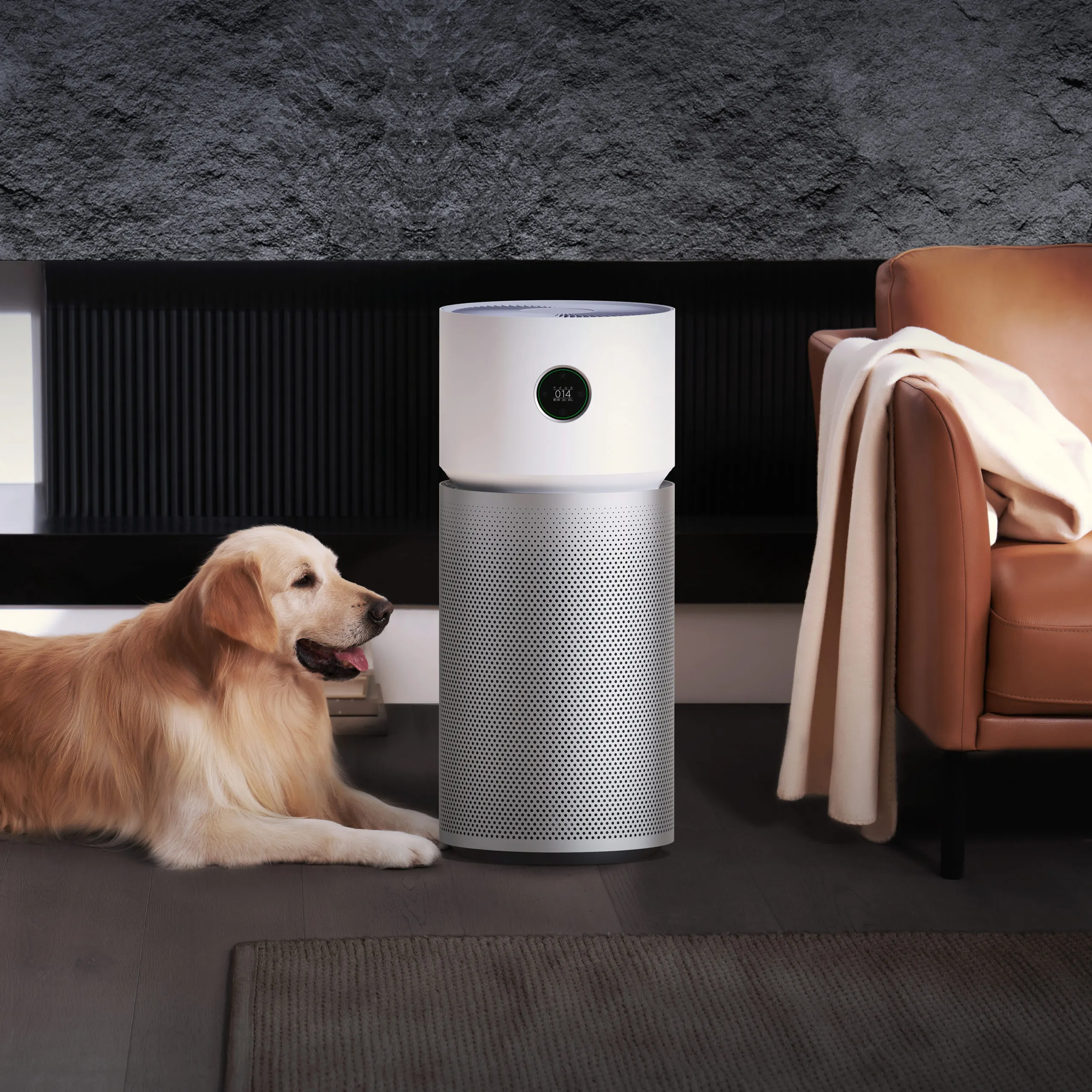
The Core Philosophy: What Makes Dyson and Coway Tick?
Before we dive into the nitty-gritty of CADR ratings and filter types, it’s crucial to understand the DNA of each brand. They come at the problem of dirty air from two very different angles.
Dyson: The Innovator and Multi-Tasker
Think of Dyson as the high-tech gadget you didn’t know you needed. Their approach is rooted in engineering prowess and multi-functionality. A Dyson air purifier is rarely just an air purifier. It’s also a bladeless fan, a heater, or a humidifier. They are obsessed with a “whole room” solution, using their Air Multiplier™ technology to project purified air across large spaces.
Their key selling points revolve around:
- Sleek, futuristic design: They are conversation starters that blend into modern homes.
- Multi-functionality: Why buy two or three appliances when you can have one?
- Sealed HEPA systems: Dyson emphasizes that it’s not enough to capture pollutants; you have to seal them in. Their machines are fully sealed to the HEPA H13 standard, ensuring what goes in, stays in.
- Advanced sensors and data: Their LCD screens provide real-time, granular data on specific pollutants like PM2.5, VOCs, and NO2.
Coway: The Quiet Workhorse
Coway, on the other hand, is the specialist. Hailing from South Korea, a country where air quality is a major public concern, Coway has dedicated decades to perfecting one thing: air filtration. Their philosophy is less about flashy features and more about raw, uncompromising performance.
Their reputation is built on:
- Superior filtration systems: They often use a multi-stage process, including a pre-filter, a custom deodorization/activated carbon filter, and a True HEPA filter.
- High performance metrics: Coway units frequently boast some of the highest CADR (Clean Air Delivery Rate) numbers in their class, certified by third-party bodies like AHAM (Association of Home Appliance Manufacturers).
- Whisper-quiet operation: They are engineered to be incredibly quiet on lower settings, making them a popular choice for bedrooms and offices.
- Value and efficiency: Coway often provides a fantastic performance-to-price ratio, both in the initial purchase and long-term filter costs.
As Dr. Lena Petrova, an environmental health scientist, often notes, “The best air purifier is the one you’ll actually run 24/7. That means it needs to be effective enough to clean your air, quiet enough not to disturb your life, and affordable enough to maintain.”
This fundamental difference in philosophy is the key to understanding the Dyson vs Coway air purifier matchup.
Head-to-Head Battle: Dyson vs Coway Features Compared
Alright, let’s put these two giants in the ring and see how they stack up across the categories that matter most to you.
Filtration Technology: The Heart of the Matter
This is where the magic happens. An air purifier is nothing without its filters.
- Dyson: Uses a 360° glass HEPA filter combined with a layer of activated carbon. This single, cylindrical filter is designed to capture 99.97% of particles as small as 0.3 microns, including allergens, pollen, and mold spores. Newer models, like the Purifier Cool Formaldehyde, include an additional catalytic filter that is specifically designed to destroy formaldehyde molecules—a common VOC found in furniture and flooring. Their biggest flex is the fully sealed system, which prevents dirty air from bypassing the filter and leaking back into the room.
- Coway: Employs a robust, multi-stage filtration system that typically includes:
- Washable Pre-filter: Catches large particles like pet hair, dust bunnies, and human hair, extending the life of the more expensive inner filters.
- Activated Carbon / Deodorization Filter: This is Coway’s secret weapon against odors. It’s specifically designed to capture and neutralize VOCs, cooking smells, pet odors, and smoke.
- Green True HEPA Filter: This is the core of the system, capturing 99.97% of 0.3-micron particles. Coway’s “Green” HEPA filters are also treated to inhibit the growth of mold and bacteria on the filter itself.
Verdict: Coway often has a slight edge for those with serious odor or VOC concerns due to its thicker, dedicated carbon filters. Dyson’s sealed system and specialized formaldehyde-destroying tech are compelling for those worried about gaseous pollutants and particle leakage.
Performance Metrics: The Numbers Game (CADR & Room Size)
If you’re a “show me the data” person, this section is for you.
What is CADR and why does it matter?
CADR stands for Clean Air Delivery Rate. It’s a standardized metric certified by AHAM that measures how much clean air an air purifier delivers (in cubic feet per minute) for three specific pollutants: smoke, dust, and pollen. A higher CADR means the purifier cleans the air in a room faster and more efficiently.
- Dyson: Historically, Dyson has been hesitant to publish CADR ratings, arguing that their own “POLAR test” method, which measures purification in a larger, more realistic room with sensors, is a better indicator of real-world performance. While their engineering is sound, this lack of standardized data can make direct comparisons difficult.
- Coway: This is Coway’s home turf. They proudly display their high, AHAM-verified CADR ratings. Models like the Coway Airmega 200M or the mighty 400 are consistently top performers in their respective room size categories. If you want to compare apples to apples based on industry-standard performance, Coway makes it easy.
Verdict: For pure, verifiable air-cleaning horsepower, Coway is the clear winner. Their transparency with CADR ratings gives consumers confidence that the machine is sized correctly for their space. A properly sized purifier should be able to achieve at least 4-5 Air Changes per Hour (ACH) in a room.
Design and Footprint
An air purifier is a piece of furniture, so looks do matter.
- Dyson: Unquestionably the design champion. Their bladeless, sculptural designs are iconic. They come in various finishes and look more like a piece of modern art than an appliance. They are typically tall and slim, occupying a smaller floor footprint.
- Coway: Coway’s designs are functional, clean, and minimalist. They are typically boxy or rectangular and designed to blend in rather than stand out. They won’t win any avant-garde design awards, but their unobtrusive look fits well in most decors. They can, however, be bulkier than their Dyson counterparts.
Verdict: If aesthetics and a small footprint are your top priority, Dyson is in a league of its own. If you prefer a more understated, function-over-form appliance, Coway is perfect.
Smart Features and Usability
We live in a connected world, and our appliances are catching up.
- Dyson: Dyson purifiers are packed with tech. They connect to the Dyson Link app, which provides incredibly detailed reports on your air quality over time. You can control every function remotely, set schedules, and get filter life notifications. The onboard LCD screen gives you instant, color-coded feedback on multiple pollutants.
- Coway: Many Coway models, like the Airmega series, also offer Wi-Fi connectivity and a mobile app (IoCare). The app allows for remote control, scheduling, and air quality monitoring. However, the data presentation is generally simpler than Dyson’s. The real star of Coway’s usability is its brilliant Auto Mode. It uses a particle sensor to constantly monitor the air and automatically adjusts the fan speed accordingly. It’s incredibly effective—you can see the air quality light change from blue (good) to purple or red (polluted) when you start cooking, and the fan will ramp up instantly.
Verdict: It’s a tie, depending on what you value. Dyson offers more data and a more “techy” experience for those who love to geek out on stats. Coway’s Auto Mode is arguably the best “set it and forget it” system on the market, making it incredibly user-friendly for everyday life.
Noise Levels: The Silent Partner
You want to breathe clean air, but you also want peace and quiet.
- Dyson: On lower fan settings (1-4), Dysons are very quiet. However, because they are also powerful fans, the noise ramps up significantly at higher speeds (7-10). If you’re using it to cool a room on a hot day, it will be audible.
- Coway: This is another area where Coway shines. Their units are engineered for silent operation. On the lowest two settings, they are virtually inaudible, making them a dream for light sleepers. Even at medium speeds, they produce a pleasant, low hum of white noise.
Verdict: For bedrooms or noise-sensitive environments, Coway has a distinct advantage.
Long-Term Cost: The Hidden Price Tag
The initial purchase is only part of the story. Filter replacement is a recurring cost you must factor in.
- Dyson: Dyson filters are typically a single combo unit that needs to be replaced every 12 months (based on 12 hours of use per day). They can be more expensive than Coway’s filters, often ranging from $60-$80.
- Coway: Coway’s multi-filter system offers a cost advantage. The washable pre-filter never needs replacing. The activated carbon filter typically lasts 6 months, and the main HEPA filter lasts 12 months. Replacement filter packs are often more affordable, usually in the $40-$60 range, giving Coway a lower long-term cost of ownership.
Verdict: Coway is generally more budget-friendly over the long haul due to more affordable and readily available replacement filters.
Comparison at a Glance
| Feature | Dyson | Coway |
|---|---|---|
| Primary Focus | Multi-functionality, Design, Engineering | Pure Air Filtration Performance |
| Filtration System | Sealed Glass HEPA & Carbon combo filter | Multi-stage: Pre-filter, Carbon, True HEPA |
| Performance (CADR) | Not typically published; uses own POLAR test | High, AHAM-verified CADR ratings |
| Design | Sleek, futuristic, small footprint | Functional, minimalist, can be bulkier |
| Smart Features | Advanced app with detailed data, LCD screen | Excellent “Auto Mode”, Wi-Fi on select models |
| Noise Level | Quiet on low, can be loud on high fan speeds | Exceptionally quiet, especially on low settings |
| Long-Term Cost | Higher initial cost, more expensive filters | Great value, more affordable filters |
The Final Verdict: Who Should Buy a Dyson vs Coway Air Purifier?
So, after all that, which one is right for you? There’s no single “best” answer. The best choice in the Dyson vs Coway air purifier debate depends entirely on you.
You Should Choose Dyson If…
- You’re a design enthusiast: You want an appliance that looks as good as it performs and complements your modern home decor.
- You love multi-functionality: The idea of having a purifier, fan, and (in some models) a heater all in one device is highly appealing. You value saving space.
- You’re a data geek: You want to see real-time data on exactly which pollutants are in your air and track trends over time through a sophisticated app.
- You’re concerned about formaldehyde: Their specialized formaldehyde-destroying models offer peace of mind if you have new furniture, paint, or flooring.
You Should Choose Coway If…
- Raw performance is your top priority: You want the highest possible CADR for your money and the confidence of third-party verification.
- You have specific, heavy-duty needs: You’re dealing with strong pet odors, kitchen smells, or live in an area with high levels of allergens or smoke. Coway’s robust filtration is built for this.
- You’re a light sleeper: You need a purifier for your bedroom that will run silently through the night without disturbing you.
- You’re budget-conscious in the long run: You want excellent performance without breaking the bank on annual filter replacements.
Frequently Asked Questions (FAQ)
1. How often do I really need to change the filter in a Dyson or Coway air purifier?
Both brands generally recommend replacing the main HEPA filter every 12 months. However, this is an estimate. If you live in a highly polluted area, have multiple pets, or run the purifier 24/7 on high, you may need to change it sooner. Most smart models will notify you when it’s time for a change. For Coway, you’ll also need to replace the carbon filter every 6 months.
2. Can a Dyson vs Coway air purifier help with my allergies?
Absolutely. Both Dyson’s sealed system and Coway’s True HEPA filters are excellent at capturing common airborne allergens like pollen, pet dander, dust mite debris, and mold spores. For allergy sufferers, a high-performance purifier from either brand can make a significant difference in indoor air quality and symptom relief.
3. Is the Dyson fan feature as good as a regular fan?
Dyson’s Air Multiplier™ technology is very effective at creating a smooth, powerful stream of air. It’s a high-quality fan that can cool a room effectively. However, it can be louder than a traditional bladed fan at its highest settings.
4. What’s the big deal with Coway’s “Auto Mode”?
Coway’s Auto Mode is beloved because it’s incredibly smart and efficient. The onboard particle sensor is very sensitive. It can detect a sudden increase in dust (like when you shake out a blanket) or smoke/VOCs (from cooking) and automatically ramp up the fan speed to clear the air quickly. Then, once the air is clean again, it powers back down to a silent, energy-saving mode. It’s a true “set it and forget it” feature.
5. Which brand is better for removing smoke odors?
For intense odors like smoke from wildfires or tobacco, Coway generally has the advantage. Their systems often feature thicker, more substantial activated carbon filters, which are the key technology for adsorbing the volatile organic compounds (VOCs) that cause odors.
Your Journey to Cleaner Air
Choosing between a Dyson vs Coway air purifier isn’t about picking a winner. It’s about self-assessment. It’s about understanding whether you prioritize all-in-one design and data or pure, unadulterated air cleaning power. Both are fantastic brands that make high-quality products.
By now, you should have a much clearer picture of which brand’s philosophy aligns with your home and your health goals. Your investment in an air purifier is an investment in your well-being. So, take a deep breath (for now), weigh the options we’ve discussed, and take that confident next step on your journey to cleaner, healthier air.