Hey there, I’m the Air Purifier Guy. One of the questions that lands in my inbox most often, especially during those sweltering summer months, is a simple one: Does An Air Purifier Cool A Room? It’s a totally fair question. After all, it’s a machine that circulates air, has a fan, and makes a gentle humming sound. It feels like it should be doing something to lower the temperature. You’ve probably felt that gentle breeze and thought, “Ah, that’s refreshing.”
But here’s the unvarnished truth, right up front: No, an air purifier does not cool a room. Its primary mission isn’t to combat the heat; it’s to combat the invisible enemies lurking in your air—dust, pollen, pet dander, and a whole host of other nasty particles. But don’t click away just yet. The story is a bit more nuanced than a simple yes or no. Let’s dive deep into why it feels like it might be cooling things down and what these amazing devices actually do for your home and your health.
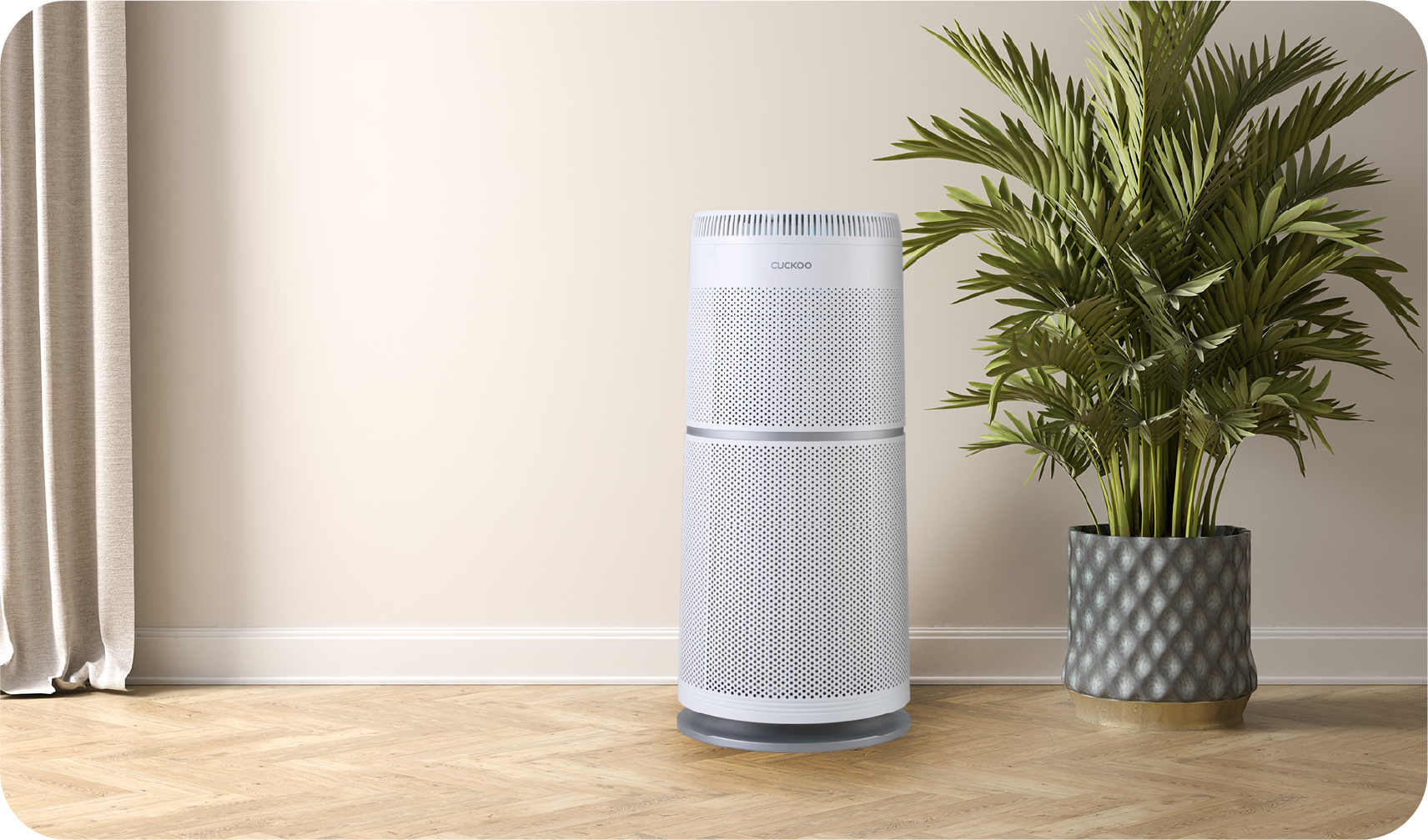
The Short Answer and The “Why” Behind It
To put it plainly, an air purifier is not an air conditioner or a swamp cooler. It lacks the fundamental components needed for cooling, like refrigerants or cooling coils.
Think of it this way:
- An air conditioner is like a refrigerator for your room. It uses a chemical refrigerant to absorb heat from your indoor air and dump it outside, actively lowering the air’s temperature.
- An air purifier, on the other hand, is like a highly sophisticated bouncer for your room’s air. Its job is to pull in the “unwanted guests” (pollutants), run them through a series of filters, and then send the clean, purified air back out.
The internal fan in an air purifier is designed for one thing: circulation. It needs to create enough airflow to pull the room’s air through its filters several times an hour. While this process involves moving air, it doesn’t involve any cooling mechanism. In fact, like any electronic device, the motor generates a tiny, almost negligible, amount of heat. But you’d never notice it.
So, Why Does It Feel Cooler? The Wind Chill Effect
“But wait,” you might be thinking, “when I stand in front of my air purifier, it definitely feels cool!” And you’re not wrong. What you’re experiencing is the wind chill effect.
It’s the same principle as a standard fan. The moving air from the purifier passes over your skin, accelerating the evaporation of moisture (sweat). This evaporation process has a cooling effect on your skin, making you perceive a drop in temperature, even though the actual room temperature hasn’t changed one bit. It’s a pleasant side effect, but it’s not the machine’s intended purpose.
Air Purifier vs. Air Conditioner: What’s the Real Difference?
To really clear things up, let’s break down the key differences between these two household heroes. They often work together in the same homes, but they have completely different jobs.
| Feature | Air Purifier | Air Conditioner |
|---|---|---|
| Primary Function | Removes airborne contaminants (dust, pollen, smoke, VOCs). | Actively cools the air by removing heat and humidity. |
| Core Technology | Filtration system (e.g., HEPA, Activated Carbon). | Refrigeration cycle (compressor, condenser, evaporator). |
| Effect on Air | Improves air quality by trapping particles and odors. | Lowers ambient room temperature and reduces humidity. |
| Energy Consumption | Generally low (typically 20-100 watts). | Significantly higher (typically 500-1500+ watts). |
| Best For | Health (allergies, asthma, general wellness). | Comfort (combating heat and high humidity). |
As Dr. Eleanor Vance, an Indoor Air Quality (IAQ) specialist, often reminds her clients, “Treating air temperature and air purity as the same thing is a common mistake. You can have a cool room with terrible air quality, or a warm room with pristine air. The ideal is to achieve both, using the right tool for each job.”
If It Doesn’t Cool, What Does an Air Purifier Actually Do?
This is where the magic really happens. While it won’t help you beat a heatwave, an air purifier is a non-negotiable tool for a healthy home. The U.S. Environmental Protection Agency (EPA) frequently reports that indoor air can be 2 to 5 times more polluted than outdoor air. That’s the problem an air purifier is built to solve.
The Unseen Enemies in Your Air
Your home’s air is a complex soup of particles, many of which are invisible to the naked eye. An air purifier is designed to capture:
- Allergens: Dust mites, pollen, pet dander, and mold spores that trigger allergies and asthma.
- Particulate Matter (PM2.5): Microscopic particles from smoke, cooking fumes, and industrial pollution that can penetrate deep into your lungs.
- Volatile Organic Compounds (VOCs): Gaseous chemicals released from paints, cleaning supplies, new furniture, and air fresheners. These can cause headaches, nausea, and long-term health issues.
- Odors: Unpleasant smells from cooking, pets, smoke, or mildew.
- Germs: Some purifiers are equipped to neutralize airborne bacteria and viruses.
The Core Technology: How It Cleans Your Air
Most high-quality air purifiers use a multi-stage filtration system, with two key players leading the charge:
1. HEPA Filters
The High-Efficiency Particulate Air (HEPA) filter is the gold standard. A True HEPA filter is certified to capture 99.97% of airborne particles as small as 0.3 microns. To give you some perspective, a human hair is about 50-70 microns thick. A HEPA filter is like a super-fine net that catches almost everything, from chunky dust bunnies to microscopic pollen grains. If you’re serious about clean air, a HEPA filter is non-negotiable.
2. Activated Carbon Filters
While HEPA filters are brilliant for particles, they can’t do anything about gases, chemicals, and odors. That’s where activated carbon comes in. This is a highly porous form of carbon that has been treated to have millions of tiny pores. These pores act like a sponge, trapping gas and odor molecules through a process called adsorption. If you’re dealing with pet smells, kitchen odors, or that “new paint” smell, a robust carbon filter is your best friend.
Key Metrics to Know Before You Buy an Air Purifier
Okay, so you’re convinced you need one. But how do you choose? It’s easy to get lost in a sea of technical jargon. Let’s demystify the three most important specs.
What is CADR and Why Does it Matter?
CADR stands for Clean Air Delivery Rate. In simple terms, it’s a measure of how quickly the purifier can clean the air in a specific-sized room. It’s measured in cubic feet per minute (CFM) and there are three numbers, one for each common pollutant: dust, pollen, and smoke. A higher CADR means faster purification.
A good rule of thumb, established by the Association of Home Appliance Manufacturers (AHAM), is the 2/3 Rule. Your purifier’s CADR for smoke (the smallest particle, so the hardest to catch) should be at least two-thirds of the room’s area in square feet. For example, for a 300 sq. ft. room, you’d want a purifier with a smoke CADR of at least 200.
Understanding ACH (Air Changes per Hour)
ACH tells you how many times the purifier can completely filter all the air in a given room in one hour. For general air quality, 2 ACH is okay. But for allergy or asthma sufferers, you should aim for a unit that can provide 4-5 ACH. This ensures that the air is being constantly scrubbed clean, keeping allergen levels down.
Matching the Purifier to Your Room Size
This is critical. A small purifier in a giant living room is like trying to bail out a boat with a teaspoon—it’s just not going to be effective. Always check the manufacturer’s recommended room size, and be sure it aligns with the unit’s CADR and your desired ACH. It’s always better to slightly oversize your purifier than to undersize it.
The Real Payoff: Health Benefits You Can Actually Feel
From my own battle with seasonal allergies, I can tell you that the impact of a good air purifier is profound. It’s not just about what it removes; it’s about what it gives you back.
- Better Sleep: By removing airborne irritants, you’re less likely to be woken up by coughing, sneezing, or a stuffy nose. Many users report deeper, more restorative sleep.
- Allergy & Asthma Relief: This is the big one. Constantly filtering out triggers like pollen and pet dander can dramatically reduce symptoms and improve your overall quality of life.
- A Fresher, Cleaner-Smelling Home: No more lingering cooking smells or musty odors. Your home just feels and smells cleaner.
- Peace of Mind: Knowing you’re breathing cleaner, healthier air provides a sense of well-being that’s hard to quantify but easy to appreciate.
Keeping Your Air Pure: Maintenance and Filter Tips
An air purifier is only as good as its filters. Neglecting them is like buying a sports car and never changing the oil.
- Check Your Filters Regularly: Some units have a filter change indicator light, but it’s good practice to visually inspect them every month.
- Clean the Pre-Filter: Many purifiers have a washable pre-filter that catches larger particles like hair and dust. Cleaning this every 2-4 weeks can extend the life of your more expensive HEPA and carbon filters.
- Replace HEPA and Carbon Filters on Schedule: A clogged filter can’t do its job and can even restrict airflow, making the unit less effective. Follow the manufacturer’s recommendations for replacement, which is typically every 6-12 months for HEPA filters and 3-6 months for carbon filters.
- Budget for Filters: Remember that filters are a recurring cost. Factor this into your initial purchase decision.
Frequently Asked Questions (FAQ)
Can an air purifier help with a stuffy room?
Yes, but not by cooling it. An air purifier improves air circulation, which can make a stuffy room feel fresher and less stagnant. By removing pollutants, it also improves the “quality” of the air, making it feel more pleasant to breathe.
Do air purifiers use a lot of electricity?
Generally, no. Most air purifiers are very energy-efficient, especially models with an Energy Star rating. On a low setting, many use less electricity than a standard light bulb. They are designed to run 24/7 without causing a major spike in your energy bill.
Is it okay to run an air purifier and an air conditioner at the same time?
Absolutely! This is the ideal combination for ultimate indoor comfort and health. The air conditioner handles the temperature and humidity, while the air purifier handles the airborne contaminants. They work as a perfect team.
How loud is an air purifier?
Noise levels (measured in decibels, dB) vary greatly by model and fan speed. On the lowest setting, a good purifier is whisper-quiet (around 25-30 dB). On the highest setting, it might sound like a standard box fan (around 50-60 dB). Look for models that advertise quiet operation if noise is a concern for you.
Will an air purifier remove the smell of cigarette smoke?
Yes, a purifier with a substantial activated carbon filter is highly effective at removing the odors and many of the harmful chemicals associated with cigarette smoke. For best results, you’ll need a model specifically designed for smoke removal.
The Final Verdict
So, while the answer to does an air purifier cool a room is a definitive no, its role in your home is arguably even more important. It won’t offer you relief from a heatwave, but it will offer you relief from allergies, dust, and the countless invisible pollutants that impact your health every day.
By understanding what an air purifier does—and what it doesn’t do—you can make an informed decision. You can invest not in a mini-air conditioner, but in a guardian for your indoor air quality. Think of it as an investment in your long-term health and well-being. So go ahead, start your journey to cleaner air today. Your lungs will thank you for it.