Breathing clean air indoors shouldn’t feel like a luxury. It’s a fundamental part of a healthy home. You’ve invested in an air purifier, a silent guardian for your family’s well-being. But then comes maintenance day. You notice the HEPA filter is still looking decent, but that black, mesh-like carbon filter is due for a change. A question pops into your head, a question I hear all the time: Can I Run My Air Purifier Without The Carbon Filter just to save a few bucks or stretch its life a little longer?
It’s a tempting thought, isn’t it? Especially when you’re staring at the cost of a replacement. You might think, “The main filter is still in there, so it’s probably fine, right?” Before you pull that carbon filter out and toss it aside, let’s have a real chat. As the Air Purifier Guy, my job is to demystify these machines, and this is one of the most crucial topics we can cover. The short answer might surprise you, but the full story is what will truly protect your air and your investment.
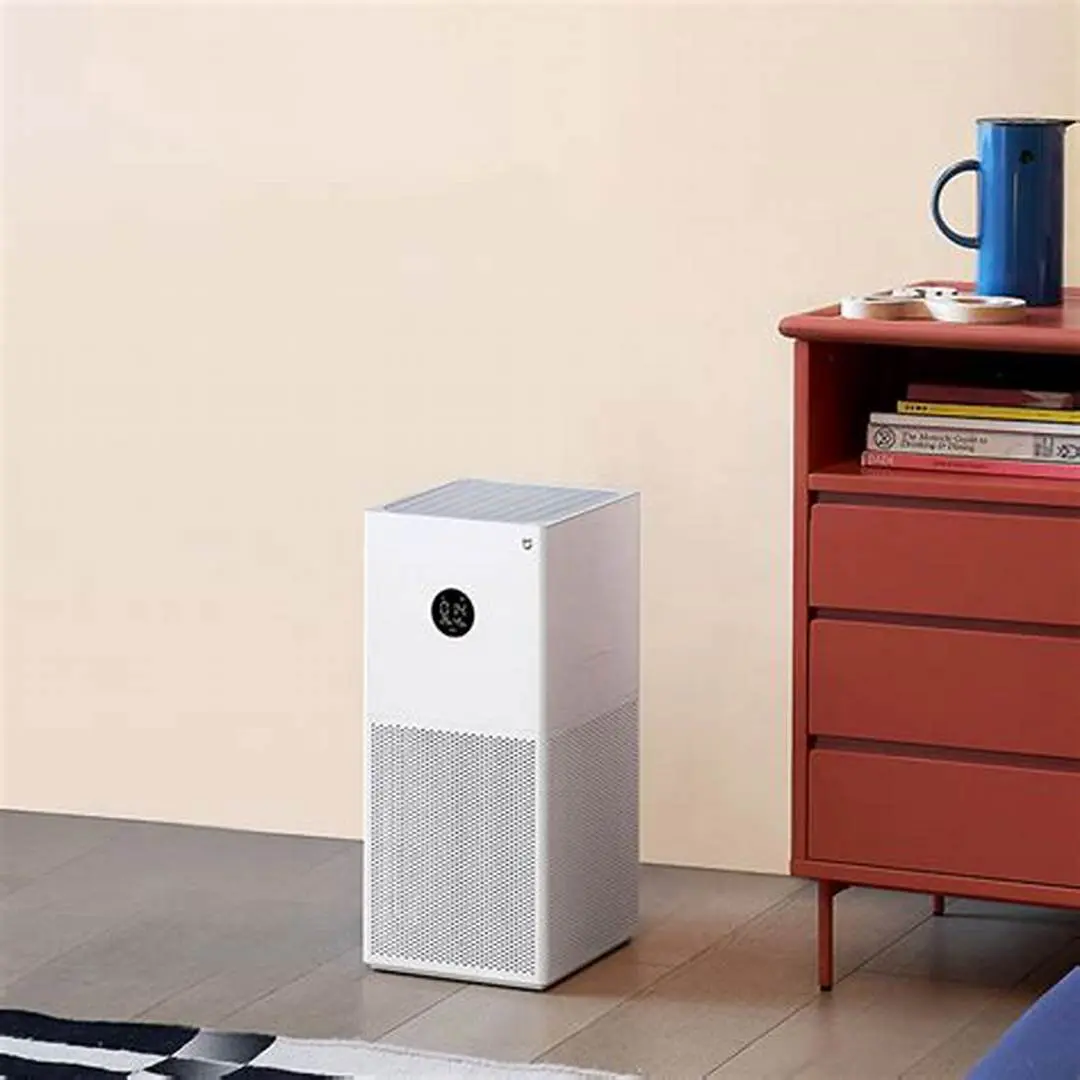
The Two-Stage Defense: Understanding Your Purifier’s Filters
First things first, let’s pop the hood on your air purifier. Most high-quality units don’t just rely on a single line of defense. They use a multi-stage system, and the two most important players on the team are the HEPA filter and the activated carbon filter. Thinking of them as interchangeable is like thinking a window screen and a sponge do the same job. They are fundamentally different, designed to tackle completely different enemies.
The Sieve: Your HEPA Filter’s Role (Particles)
The HEPA filter, which stands for High-Efficiency Particulate Air, is the superstar of particle capture. Imagine it as an incredibly fine, dense net. Its job is to physically trap solid particles floating in your air. We’re talking about the things that make you sneeze, cough, and feel miserable.
Your HEPA filter is the hero for capturing:
- Dust mites
- Pollen and seasonal allergens
- Pet dander
- Mold spores
- Smoke particles (the solid part)
- Bacteria and some viruses
It’s a mechanical filter, meaning it works by forcing air through its complex web of fibers, trapping 99.97% of particles down to 0.3 microns in size. To put that in perspective, a human hair is about 50-70 microns thick. A HEPA filter is catching things that are invisibly small. It’s your front-line soldier in the war against allergies and asthma triggers.
The Sponge: Your Carbon Filter’s Role (Gases & Odors)
Now, let’s talk about the carbon filter. If the HEPA filter is a net, the activated carbon filter is a giant, porous sponge. But instead of soaking up water, it soaks up gases, chemicals, and odors through a process called adsorption (with a “d”).
Activated carbon is treated with oxygen to open up millions of tiny pores between its atoms. This process creates a massive internal surface area—a single gram of activated carbon can have a surface area of over 3,000 square meters! These pores act like molecular-sized traps.
Your activated carbon filter is essential for removing:
- Volatile Organic Compounds (VOCs): These are nasty chemicals that “off-gas” from new furniture, paint, carpets, cleaning supplies, and air fresheners. Think of that “new car smell” or the fumes from a freshly painted room. Formaldehyde is a common one.
- Odors: Lingering smells from cooking (goodbye, burnt popcorn smell!), pets, and garbage cans don’t stand a chance.
- Smoke Odors: While the HEPA filter traps the physical smoke particles, the carbon filter grabs the smelly gases and chemicals that make up the odor.
- General Household Chemicals: Fumes from aerosol sprays, disinfectants, and other common products.
As Dr. Eleanor Vance, an Indoor Air Quality (IAQ) specialist, often explains, “A HEPA filter is your first line of defense against microscopic particles, but don’t underestimate the power of activated carbon. It’s the only thing in most consumer-grade purifiers that protects you from the invisible chemical soup floating in modern homes.”
The Big Question: Can You Run an Air Purifier Without the Carbon Filter?
Okay, with that understanding, let’s tackle the main question head-on. Technically, on most models, yes, you can physically remove the carbon filter and the machine will still turn on and move air through the HEPA filter. The fan will spin, the lights will come on, and it will seem like it’s working.
But the far more important question is: Should you?
And the answer from any air quality expert is a firm and resounding no. Running your air purifier without its carbon filter is like sending a soldier into battle with a shield but no helmet. You’re only partially protected, leaving yourself vulnerable to a whole different class of threats.
What You GAIN vs. What You LOSE
Let’s break down the trade-off you’re making.
- What You (Think You) Gain:
- Saving Money: You delay the cost of a replacement filter. This is the primary motivation for most people.
- Slightly Increased Airflow: In some rare cases, removing the resistance of the carbon filter might slightly increase the volume of air moving through the unit. However, this “benefit” is negligible and often offset by negative consequences.
- What You Definitely Lose:
- All Defense Against Gases and VOCs: This is the big one. Your purifier becomes completely useless against formaldehyde from new furniture, benzene from traffic pollution, ammonia from cleaning products, and countless other VOCs. According to the EPA, indoor levels of these pollutants can be 2-5 times higher than outdoor levels.
- All Odor Control: Your home will no longer have a defense against cooking smells, pet odors, or musty scents. The purifier will just be circulating that stinky air.
- Comprehensive Smoke Removal: It will catch some of the fine particles from wildfire or tobacco smoke, but it will do nothing about the hundreds of toxic gases and odors embedded within that smoke. You’ll be left with a sterile but still smelly and chemically-laden environment.
- Peace of Mind: You lose the confidence that you are truly cleaning your air.
Real-World Scenarios: When Skipping the Carbon Filter Backfires
Let’s move this from theory to practice. Where does this decision really hit home?
The Pet Owner’s Predicament
You love your furry friend, but you don’t love the “wet dog” smell or the lingering scent of the litter box. Your HEPA filter will do a great job trapping pet dander, a major allergen. But without the carbon filter? Every pet-related odor will pass right through the machine and get blown back into your room.
The Home Chef’s Haze
Ever seared a steak and smoked up the kitchen? Or enjoyed a fish dinner, only to smell it for the next two days? Your carbon filter is the unsung hero that adsorbs those powerful cooking odors. Without it, your purifier is just an expensive fan, circulating the ghost of dinners past.
The “New Furniture Smell” Danger (VOCs Explained)
I get excited about new furniture or a fresh coat of paint, but my “Air Purifier Guy” brain immediately thinks of one thing: off-gassing. That “new” smell is actually a cocktail of VOCs like formaldehyde being released into your air. These chemicals can cause headaches, dizziness, eye/nose/throat irritation, and have been linked to more serious long-term health effects. The carbon filter is your only tool in the purifier’s arsenal to combat this invisible threat. Removing it leaves your family breathing in those chemicals unchecked.
Beyond Air Quality: Potential Pitfalls for Your Machine
The decision to run an air purifier without the carbon filter isn’t just about what you’re breathing; it can also impact the machine itself.
Does It Affect Performance? (CADR & Airflow Explained)
Air purifiers are engineered as a complete system. The fan, the housing, and the specific resistance of all the filters are designed to work in harmony to achieve a certain CADR (Clean Air Delivery Rate). CADR tells you how much clean air the purifier produces on its highest setting.
By removing one of the filters, you change the internal pressure and airflow dynamics. While it might seem like less resistance is a good thing, it can sometimes mean the air moves too quickly over the HEPA filter, potentially reducing its capture efficiency for the very smallest particles. The system is no longer operating as it was tested and certified.
Could You Void Your Warranty?
This is a huge one that most people overlook. Read the fine print on your manufacturer’s warranty. Almost all of them state that the warranty is voided if the unit is not operated according to the instructions. This includes using the proper, manufacturer-approved filters. Running the machine with a missing component is a clear deviation from the intended use and could give the company a reason to deny a future warranty claim, even if the issue is unrelated.
Bảng trống.The Smarter Move: Proper Carbon Filter Maintenance
Instead of removing a critical component of your air defense system, the best path forward is learning to manage it effectively. The cost of a new filter is a tiny investment when you consider the health benefits it provides.
How to Tell Your Carbon Filter is Finished
- The Sniff Test: The most obvious sign is that odors start lingering again. If you cook fish and can still smell it an hour later with the purifier running, your carbon is likely saturated.
- Visual Inspection (Sometimes): Some carbon filters are combined with a pre-filter that will be visibly dirty. However, the carbon itself doesn’t change color when it’s “full.” It’s a chemical process, not a physical one.
- The Filter Change Indicator: Most modern purifiers have an indicator light that tells you when it’s time for a change. Trust it. It’s usually based on run-time hours.
Why You Can’t Just Wash It
I see this question a lot. Can you wash a carbon filter to “reactivate” it? Absolutely not. Water will ruin the carbon’s porous structure and wash away the material. And what about putting it in the sun? This is a persistent myth. While UV light and heat can cause a very small release of some trapped pollutants, it’s incredibly inefficient and will not restore the filter to anywhere near its original capacity. The only real solution is a replacement.
Frequently Asked Questions (FAQ)
What happens if I don’t change my carbon filter?
If you don’t change a saturated carbon filter, it eventually becomes useless. It can no longer adsorb any more odors or gases. In some rare, extreme cases, a fully saturated filter could even release some of what it has trapped back into the air.
Can I use my air purifier with just the HEPA filter?
As we’ve covered, while you physically can, you absolutely should not. You’ll be losing all protection against gaseous pollutants, which are a major component of indoor air pollution. It’s like having a security system that only protects against unlocked doors but ignores open windows.
How long does an activated carbon filter last?
This varies greatly depending on the model and your environment. In a typical home, they last between 3 and 6 months. If you live with smokers, have multiple pets, or live in an area with high pollution, you may need to change it more frequently.
Are carbon filters and HEPA filters the same thing?
No, they are completely different technologies designed to capture different types of pollutants. HEPA filters capture solid particles (like dust and pollen), while carbon filters adsorb gases and odors (like smoke and chemicals). You need both for comprehensive air cleaning.
Will running my air purifier without the carbon filter make it louder?
It might slightly change the sound profile of the fan, as the airflow dynamics are altered. Some users report a higher-pitched noise, while others notice no difference. The bigger issue is the dramatic loss in purification performance, not the sound.
Final Verdict: Why Both Filters Matter
So, let’s circle back to our original question: can I run my air purifier without the carbon filter? The technical answer is yes, but the real-world, health-conscious answer is a resounding no.
Your air purifier is a team, with the HEPA and carbon filters playing distinct but equally vital roles. Removing one cripples the entire system. You wouldn’t buy a car and then remove the airbags to save a little weight, would you? The same logic applies here. The carbon filter is a critical safety feature for the air you breathe every day.
By skipping it, you are not only failing to remove harmful VOCs and unpleasant odors, but you are also not using your appliance as intended, potentially affecting its performance and voiding its warranty. The small amount of money saved on a filter is simply not worth the risk to your family’s health and the air quality in your home. Your lungs will thank you for making the right choice.