Welcome to the club! You’ve made a fantastic decision to invest in an air purifier, taking a huge step toward a healthier home. You unbox it, admire its sleek design, and then… you pause. The big question hits you: Should I Put My Air Purifier On The Floor, or does it belong on a table? It seems like such a simple question, but the answer can genuinely impact how well your new gadget cleans the air you breathe. As the Air Purifier Guy, I’ve seen this question pop up time and time again, and I’m here to clear the air, literally.
My own battle with seasonal allergies taught me that an air purifier is more than just an appliance; it’s a game-changer. But getting the most out of it isn’t just about picking the right model—it’s about using it correctly. And placement is ground zero. Let’s dive in and find the perfect spot for your air-cleaning hero so it can work its magic effectively.
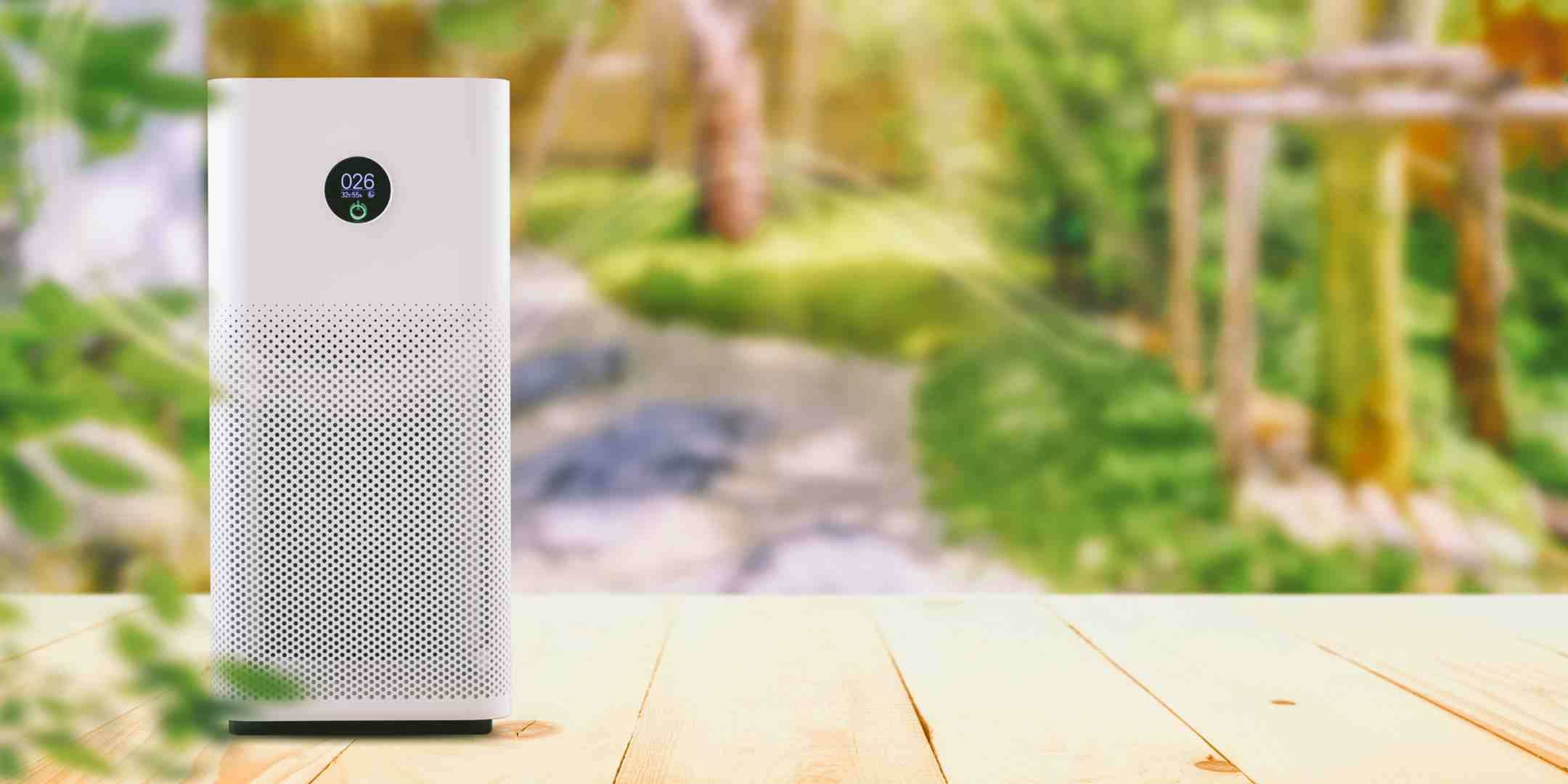
The Short Answer: Yes, But It’s Complicated
Let’s get straight to it. For the vast majority of air purifiers, especially larger console models, the floor is the best place to put them. But—and this is a big but—it’s not as simple as just plopping it down in any old corner. The why and where on the floor are what truly matter.
“Think of your air purifier’s placement less as a rule of ‘floor versus table’ and more as a strategy of ‘maximizing airflow.’ The goal is to create an uninterrupted circular current of air throughout the room. The floor is often the best starting point for that strategy.”
To understand this, we need to quickly peek under the hood and see how these machines actually work.
How Do Air Purifiers Work? It’s All About the Flow
Imagine your air purifier is a diligent little bouncer for your room’s air. Its job is to pull in the “unwanted guests” (pollutants), check their IDs, and then kick them out, sending only the clean, fresh air back into the party. This process relies on two things: a powerful fan and a high-quality filter.
Most purifiers pull in air from the sides or front (often near the bottom) and expel clean air from the top. This creates a natural convection cycle in the room. Dirty, pollutant-filled air is drawn in, scrubbed clean, and then pushed up towards the ceiling, where it circulates and falls back down, eventually getting pulled in again.
This is where placement becomes critical. If you block the intake or the outlet, you’re essentially handcuffing your bouncer. It can’t grab the troublemakers if it can’t reach them.
The Core Technologies Doing the Dirty Work
- True HEPA Filters: This is the gold standard. A True HEPA (High-Efficiency Particulate Air) filter is certified to capture 99.97% of particles as small as 0.3 microns. Think of it as an incredibly fine net that catches microscopic villains like dust mites, pollen, pet dander, and even some bacteria and viruses.
- Activated Carbon Filters: While HEPA filters are champs at grabbing particles, they can’t do anything about gases, odors, or chemicals. That’s where activated carbon comes in. Its porous surface acts like a sponge for Volatile Organic Compounds (VOCs), smoke, cooking smells, and pet odors. If you’re fighting funky smells, this is your best friend.
- UV-C Light: Some purifiers include a UV-C light stage. The idea is to zap and neutralize germs like bacteria and viruses that get trapped in the filter. Its effectiveness can vary, but it’s an added layer of defense for those concerned with microorganisms.
The Floor vs. Elevated Surface: A Head-to-Head Battle
So, why is the floor generally better? Let’s break down the pros and cons.
The Case for Placing Your Air Purifier on the Floor
- Capturing Heavier Particles: Many common allergens, like pet dander and larger dust particles, are heavier and tend to settle closer to the ground. Placing your purifier on the floor puts its intake vents right in the line of fire, making it more effective at sucking up these culprits before they get kicked back into the air.
- Better Air Circulation: As mentioned, most purifiers are designed to pull air from low and expel it high. This creates a powerful, room-wide circulation pattern. Placing it on the floor enhances this natural cycle.
- Stability and Safety: This is a practical one. Air purifiers, especially larger units, are more stable on the floor. Putting a heavy, vibrating appliance on a wobbly end table is a recipe for disaster, especially if you have kids or pets running around.
- It’s What They’re Designed For: The majority of portable air purifiers are designed by engineers with floor placement in mind. The intake vents, fan power, and overall shape are optimized for this position.
When an Elevated Surface Might Be Better
There are a few exceptions to the floor rule:
- Very Small, Personal Purifiers: If you have a tiny desktop purifier meant for your immediate personal space, then putting it on your desk or nightstand makes sense. Its small fan isn’t designed to circulate air in a whole room anyway.
- Targeting Specific Airborne Pollutants: If your main concern is smoke or lighter VOCs which tend to rise, placing a purifier slightly higher could be beneficial. However, a powerful unit on the floor will still create enough circulation to capture them effectively.
- Homes with Heavy Foot Traffic: If placing the unit on the floor means it’s constantly being bumped or having its airflow blocked by people walking by, a sturdy, low table might be a better option.
The Golden Rules: Where Should I Put My Air Purifier for Best Results?
Okay, we’ve established the floor is usually the best bet. But where on the floor? This is the million-dollar question. Don’t just shove it in a corner behind the couch! Follow these golden rules.
Rule 1: Give It Some Breathing Room
This is the most important rule of all. Your air purifier needs space to work.
- Minimum Clearance: Aim to leave at least 12-18 inches (30-45 cm) of open space on all sides of the unit, especially around the air intake and outlet vents.
- Avoid Corners: Tucking a purifier into a tight corner is like trying to breathe with a bag over your head. It severely restricts airflow and creates a “dead zone” where the air doesn’t get cleaned.
- Stay Away from Walls and Furniture: Don’t push it right up against a wall, a bookshelf, or the back of your sofa. You’re simply suffocating its ability to pull in dirty air.
Rule 2: Place It Near the Source of Pollution
Go to the front lines! Place your air purifier where the pollutants are most concentrated.
- For Allergies: Place it in your bedroom. You spend 6-8 hours there every night, and clean air while you sleep can dramatically reduce morning allergy symptoms.
- For Pet Dander: Put it in the room where your furry friend spends the most time, or near their bed.
- For Cooking Smells/Smoke: Place it in or near the kitchen (but not so close that it gets greasy).
- For General Air Quality: The living room or the most-used central area of your home is a great spot.
Rule 3: Think About Your Own Airflow
Where do you spend most of your time in the room? Place the purifier so the clean air is directed towards you. If you’re on the couch, have it positioned 6-10 feet away where you can benefit from the gentle stream of fresh air. This is especially helpful during allergy or wildfire season.
A Room-by-Room Placement Strategy
Let’s get practical. Here’s how to apply these rules in different rooms.
In the Bedroom
This is arguably the most important room for an air purifier.
- Best Spot: Place it on the floor, about 4-10 feet away from the head of your bed.
- Why: This allows the unit to capture allergens and dust before they reach your breathing zone while you sleep. It also ensures the gentle hum doesn’t disturb you, and the flow of clean air is directed toward you without creating an unpleasant draft. Avoid placing it right next to your head.
In the Living Room / Family Room
This is often the largest and highest-traffic area.
- Best Spot: Find a central location on the floor, away from walls and entertainment centers. Near a doorway or high-traffic walkway can be effective as it helps capture pollutants being tracked in.
- Why: A central location allows the purifier to circulate air throughout the entire space more evenly. Keep it away from curtains that could get sucked into the intake.
In the Kitchen or Home Office
These rooms have their own unique challenges.
- Kitchen Area: Place it on the floor near the entrance to the kitchen, but away from sources of excessive moisture or grease. It will help tackle cooking odors and VOCs.
- Home Office: The floor near your desk is ideal. It can help capture dust from electronics and VOCs from furniture or printers, creating a healthier workspace.
Common Placement Mistakes to Avoid
I see these all the time. Steer clear of these common pitfalls:
- Hiding It: Putting your purifier behind a couch, under a table, or in a closet completely defeats its purpose. Airflow is everything.
- Placing It in a Humid Area: Don’t put your air purifier right next to a humidifier or in a steamy bathroom. The moisture can clog the HEPA filter and even lead to mold growth on the filter itself.
- Forgetting About the Outlet: The clean air outlet (usually on top) needs to be completely unobstructed. Don’t place things on top of your purifier or tuck it under a shelf.
- Ignoring Room Size: A small purifier in a huge, open-concept living room will struggle no matter where you place it. Make sure your unit’s CADR (Clean Air Delivery Rate) is appropriate for your room size. You can find more details on what CADR means in our in-depth guide to air purifier metrics.
Frequently Asked Questions (FAQ)
Let’s tackle a few more common questions I get about placement.
How far from the wall should an air purifier be?
A good rule of thumb is to keep it at least one foot (12 inches or 30 cm) away from any wall or large piece of furniture. This provides enough clearance for the intake vents to pull in air effectively without being obstructed.
Can I put my air purifier on a carpet?
Yes, you can. Most air purifiers are designed to work perfectly fine on carpeted floors. As long as the intake vents (which are usually on the sides or front) are not blocked by a very high-pile or shag carpet, you won’t have any issues.
Should I put my air purifier in a corner?
It’s best to avoid tight corners. A corner is the worst spot for air circulation. If you must place it near a corner, pull it out at least 2-3 feet on a diagonal to give it as much open space as possible.
Does the direction my air purifier faces matter?
Absolutely. You want the air outlet to point towards the main living area of the room, not directly at a wall. For the intake, ensure the side with the main vents is facing the open room to maximize the amount of dirty air it can pull in.
Is it better to put an air purifier near a window?
Placing it near a slightly open window can be a good strategy to quickly clean incoming outdoor air, especially if you live in an area with high pollen or pollution. However, for general day-to-day use, a more central location is typically better for overall room circulation.
The Final Word: Let It Breathe
So, should I put my air purifier on the floor? In almost every case, the answer is a resounding yes. It’s the most stable, efficient, and logical place for most models.
But remember, the real secret isn’t just the floor—it’s the flow. Give your purifier the open space it needs to breathe, and it will repay you with cleaner, fresher, and healthier air for you and your family. Don’t suffocate your investment by hiding it in a corner. Let it stand proud, and let it do its job. Now you’re equipped with the knowledge to find that perfect spot and start your journey to a healthier home environment today.