Let’s be real for a moment. We all want to breathe cleaner, fresher air inside our homes, but the idea of dropping a small fortune on another gadget can be a tough pill to swallow. You’ve probably heard the buzz about air purifiers, but a quick search can leave you with more questions than answers and a serious case of sticker shock. If you’re looking for the Best Budget Air Purifier that actually gets the job done, you’ve come to the right place. My goal here isn’t to sell you the most expensive unit, but to arm you with the knowledge you need to find an affordable workhorse for your home.
Think of me as your guide, the Air Purifier Guy. Together, we’re going to cut through the marketing jargon, understand what really matters, and find you a machine that protects your family’s health without emptying your wallet. Because clean air shouldn’t be a luxury.
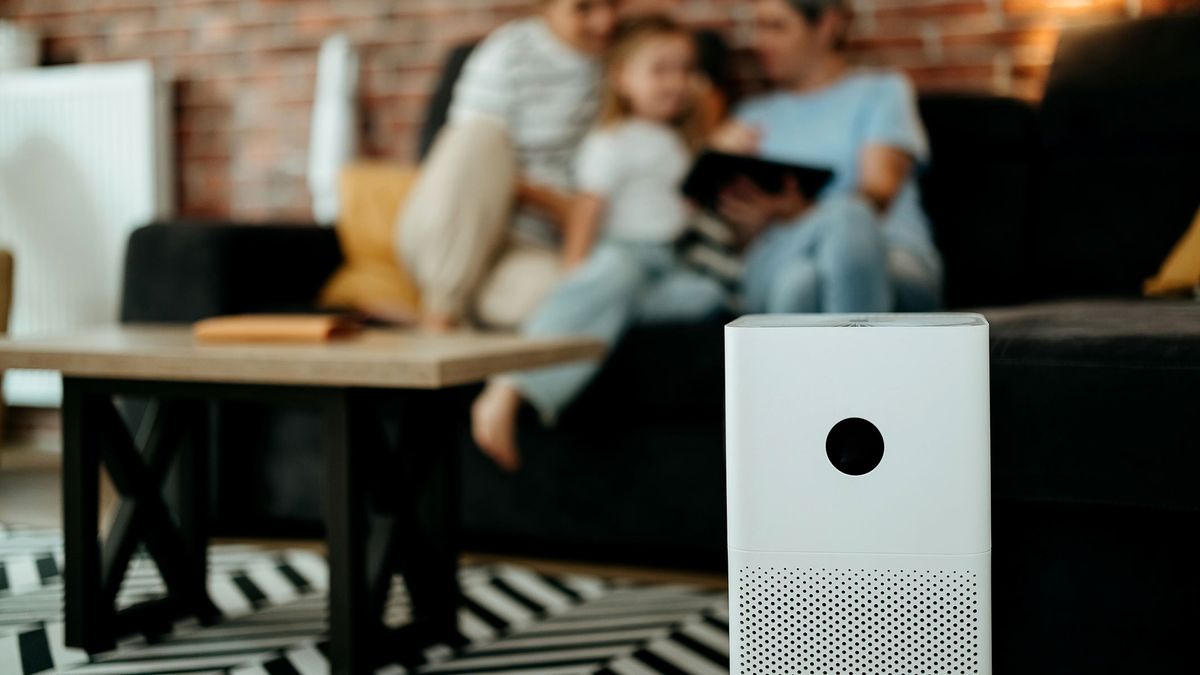
Why You Might Need an Air Purifier (More Than You Think)
You might think your home is a safe haven from outdoor pollution, but here’s a startling fact from the U.S. Environmental Protection Agency (EPA): indoor air can be two to five times more polluted than the air outside. Yikes. That “invisible” air you’re breathing is often a cocktail of unwelcome guests.
So, what are we fighting against?
- Allergens: This is the big one. Pollen that sneaks in through open windows, pet dander from your furry best friend, dust mites, and mold spores can turn your home into a nightmare zone, especially during allergy season. From my own battle with seasonal allergies, I can tell you a good purifier is a game-changer.
- Dust: That layer of dust that constantly reappears on your furniture? A lot of it is floating in the air first. An air purifier helps trap it before it even settles.
- VOCs (Volatile Organic Compounds): This sounds sci-fi, but it’s all too common. VOCs are gases released from everyday items like paint, new furniture, cleaning supplies, and air fresheners. They can cause everything from headaches to long-term health issues.
- Odors: Lingering cooking smells from last night’s fish dinner? The tell-tale scent of a litter box? A pet that got caught in the rain? An air purifier with the right kind of filter can neutralize these odors, not just mask them.
- Smoke: Whether it’s from cooking mishaps, a nearby wildfire, or a neighbor’s habit, smoke particles are incredibly small and harmful to breathe.
An effective air purifier acts as your home’s silent bodyguard, constantly filtering out these microscopic intruders.
How Do Air Purifiers Actually Work? The Magic Explained
An air purifier is essentially a fan and a filter system in a box. The fan pulls in the surrounding air, forces it through a series of filters that trap pollutants, and then releases the clean air back into the room. The magic, however, lies in the type of filters it uses.
The Gold Standard: True HEPA Filters
You’ll see the term “HEPA” thrown around a lot, but be careful. You want to look for True HEPA. A True HEPA filter is certified to capture 99.97% of airborne particles as small as 0.3 microns.
What’s a micron? It’s tiny. To put it in perspective, a human hair is about 50-70 microns thick. A HEPA filter is trapping particles you can’t even see, like dust mite droppings, pollen, pet dander, and most bacteria. Think of it as a super-fine net for microscopic gunk. Avoid units that just say “HEPA-type” or “HEPA-like,” as they don’t meet this rigorous standard.
The Odor Buster: Activated Carbon Filters
While a HEPA filter is the king of capturing particles, it can’t do anything about gases, chemicals, and smells. That’s where activated carbon comes in. This is a highly porous form of carbon that has been treated to have a massive surface area. It acts like a sponge for smells and chemicals, adsorbing (not absorbing) VOCs, cooking fumes, and pet odors. If smells are your main concern, a purifier with a substantial activated carbon filter is a must.
As Dr. Eleanor Vance, an Indoor Air Quality (IAQ) specialist, often reminds her clients, “A HEPA filter is your first line of defense against microscopic particles, but don’t underestimate the power of activated carbon for gaseous pollutants and odors. The two work as a team to provide comprehensive air cleaning.”
The Optional Add-Ons: UV-C Light and Ionizers
Some purifiers include UV-C lamps to kill germs or ionizers to help particles clump together. While these can offer some benefit, they are often less critical for general-purpose air cleaning, and some ionizers can produce a small amount of ozone, which can be an irritant. For the best budget air purifier, focusing on a solid HEPA and carbon filter combo is the smartest investment.
Key Metrics to Understand When Choosing the Best Budget Air Purifier
Okay, let’s get into the nitty-gritty. To avoid getting ripped off or buying an underpowered machine, you need to understand three key acronyms: CADR, ACH, and Room Size.
What is CADR and Why Does it Matter?
CADR stands for Clean Air Delivery Rate. It’s a standardized rating that tells you how quickly the purifier can clean the air in a specific-sized room. There are three CADR numbers: one for dust, one for pollen, and one for smoke. The higher the number, the faster it cleans.
A simple rule of thumb, known as the “2/3 Rule,” can help. Take the CADR number for smoke (it’s usually the lowest and thus the best benchmark) and make sure it’s at least two-thirds of your room’s area in square feet. For example, for a 150 sq. ft. room, you’d want a purifier with a smoke CADR of at least 100.
Understanding ACH (Air Changes per Hour)
ACH, or Air Changes per Hour, tells you how many times the purifier can completely filter all the air in a given room in one hour. For general use, an ACH of 2-3 is fine. However, if you have allergies or asthma, you’ll want to aim for a unit that can achieve 4-5 air changes per hour. This ensures the air stays consistently clean, removing allergens before they have a chance to build up.
Matching the Purifier to Your Room Size
Manufacturers will always list a maximum room size coverage. Be a little skeptical here. This number is often based on achieving only 1 or 2 ACH on the highest fan setting (which can be loud). It’s much better to use the CADR to determine the right size. In fact, it’s often a smart move to buy a purifier rated for a slightly larger room than you have. This allows you to run it on a lower, quieter setting while still getting excellent air cleaning performance.
Bảng trống.Beyond the Filter: Features to Consider
When you’re on a budget, you need to separate the essential features from the nice-to-have-but-not-necessary ones.
- Smart Sensors & Auto Mode: This is arguably the most useful “smart” feature. A particle sensor detects the level of pollutants in your air and automatically adjusts the fan speed accordingly. This is fantastic for both efficiency and convenience—it ramps up when you’re cooking or when pollen counts are high, and quiets down when the air is clean.
- Noise Levels: Look for the decibel (dBA) rating. On the lowest setting, a good purifier should be whisper-quiet, typically around 20-30 dBA. The highest setting can get up to 50-60 dBA, comparable to a normal conversation or a running refrigerator. If you’re a light sleeper, the noise level on the lowest “sleep” setting is a critical factor.
- Wi-Fi Connectivity & App Control: While cool, this is often a luxury on a budget model. It allows you to control the purifier from your phone, but it doesn’t make the air any cleaner. If you have to choose between a model with an app and one with a better CADR or a larger carbon filter for the same price, go for the better performance every time.
- Filter Life Indicator: This is a simple but crucial feature. It takes the guesswork out of knowing when to change your filters, ensuring your unit is always running at peak performance.
The Real-World Payoff: Health Benefits of an Air Purifier
At the end of the day, this is about your health. Investing in even the best budget air purifier can lead to tangible benefits:
- Relief from Allergy and Asthma Symptoms: By continuously removing triggers like pollen, dander, and dust, a purifier can dramatically reduce sneezing, coughing, and congestion.
- Better Sleep: Clean air can lead to less nighttime congestion and irritation, promoting deeper, more restorative sleep.
- A Fresher, Cleaner-Smelling Home: No more stale air or embarrassing pet or cooking odors when guests come over.
- Peace of Mind: Knowing you’re actively reducing the number of invisible pollutants your family breathes is a powerful feeling.
Keeping It Fresh: Maintenance and Filter Replacement Tips
A purifier is only as good as its filter. To keep your unit working effectively, you’ll need to do a little upkeep. The good news is, it’s super easy.
- Check the Pre-Filter: Most units have a washable pre-filter that catches larger debris like hair and lint. You should check and clean this every 2-4 weeks. Just a quick rinse or vacuum is all it needs.
- Replace the HEPA and Carbon Filters: These are not washable. Depending on usage and your air quality, they’ll typically need to be replaced every 6 to 12 months.
- Factor in Filter Costs: This is a crucial part of buying a budget purifier. A unit might be cheap upfront, but if the replacement filters cost a fortune, it’s not a good deal in the long run. Before you buy, do a quick search for the cost of its replacement filters.
Frequently Asked Questions (FAQ)
How often should I change the filter in my best budget air purifier?
Generally, the main HEPA and activated carbon filters need replacement every 6-12 months. However, always follow the manufacturer’s recommendation. Most modern units have a filter life indicator light to remind you when it’s time.
Where is the best place to put my air purifier?
Place it in the room where you spend the most time, like your bedroom or living room. Ensure there are at least 6-12 inches of clear space around all sides of the unit for optimal airflow. Don’t shove it in a corner or behind furniture.
Should I run my air purifier 24/7?
Yes, for the best results, you should run it continuously. Air pollutants are constantly being introduced into your home. Running it on a low, energy-efficient setting (or Auto Mode) 24/7 is the most effective strategy.
Will an air purifier help with dust?
Absolutely. While it won’t eliminate the need for dusting entirely, a good air purifier with a HEPA filter will capture a significant amount of airborne dust particles before they have a chance to settle on your surfaces, making cleaning much easier.
Are more expensive air purifiers really that much better?
Sometimes, but not always. More expensive models may offer higher CADR for larger spaces, more advanced sensors, or fancier app features. However, for a standard-sized room, a well-chosen best budget air purifier with a True HEPA filter and a decent carbon filter will provide the core air-cleaning benefits you need.
Your First Step to a Healthier Home
Choosing an air purifier doesn’t have to be overwhelming or expensive. By focusing on the fundamentals—a True HEPA filter, an activated carbon filter, and the right CADR for your room size—you can find a fantastic machine that makes a real difference in your home’s air quality. You’re not just buying a gadget; you’re making a proactive investment in your family’s health and well-being.
Now that you’re armed with this knowledge, you can confidently find the best budget air purifier for your needs. It’s time to start your journey to cleaner air today. Your lungs will thank you.