Let’s talk about that new air purifier you just brought home. You’ve unboxed it, admired its sleek design, and are ready to breathe cleaner, fresher air. But now comes the million-dollar question: where on earth do you put it? Tucked in a corner? On a bookshelf? It feels like a simple decision, but the right answer can be the difference between a high-performance air-cleaning machine and an expensive plastic box that just hums in the background. This is your ultimate Air Purifier Placement Guide, and my goal is to demystify the science of airflow so you can get the absolute most out of your investment.
From my own long-fought battle with seasonal allergies, I can tell you that an air purifier was a game-changer. But it wasn’t until I truly understood the dynamics of how air moves in a room that I unlocked its full potential. It’s not just about plugging it in; it’s about strategic positioning. So, grab a cup of coffee, and let’s turn your home into the clean air sanctuary it was meant to be.
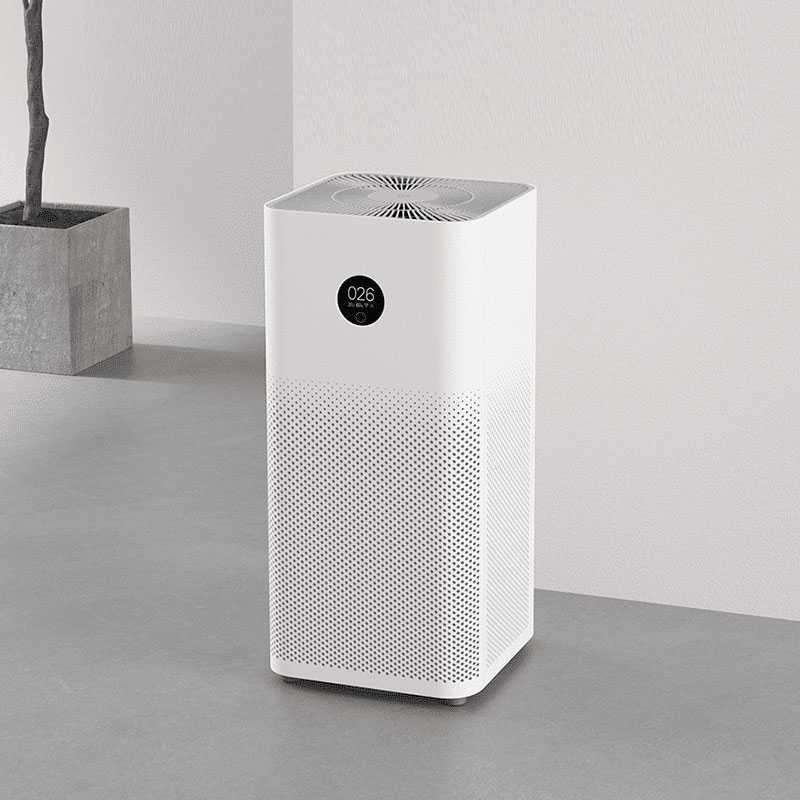
Why Placement is a Bigger Deal Than You Think
Before we dive into the nitty-gritty, let’s get one thing straight. An air purifier works by pulling in the polluted air from a room, forcing it through a series of filters, and then circulating the clean air back out. Think of it like a circulation system for your room’s atmosphere.
If you place it in a spot where it can’t “breathe” properly—say, squished behind a sofa or blocked by curtains—you’re severely handicapping its ability to do its job. It will end up just cleaning the same small pocket of air over and over again, while the dust bunnies and allergens across the room continue their party.
According to the U.S. Environmental Protection Agency (EPA), the air inside our homes can be two to five times more polluted than the air outside. Proper air purifier placement is your number one strategy for combating this indoor pollution effectively.
The goal is to create a continuous, circular flow of air throughout the entire room, ensuring that every last dust mite, pollen particle, and pet dander flake gets its turn to meet the filter.
The 5 Golden Rules of Air Purifier Placement
Forget complex diagrams and engineering jargon. Getting the placement right comes down to five simple, common-sense rules. Follow these, and you’ll be well on your way to breathing easier.
Rule 1: Place It Where You Live (and Breathe) the Most
This might sound obvious, but it’s the most important rule. Where do you spend the most consecutive hours? For most of us, that’s the bedroom. We spend a third of our lives sleeping, a time when our bodies are recovering and most vulnerable. Placing a purifier in the bedroom can dramatically improve sleep quality by filtering out allergens that can cause nighttime congestion and irritation.
The second-best spot is the living room or family room—wherever your family congregates. If you only have one unit, consider moving it between the bedroom at night and the living room during the day.
Rule 2: Give It Some Breathing Room (The 3-Foot Rule)
This is the most common mistake I see. An air purifier needs open space around it to work. Think of it this way: the intake needs to be able to pull air from all directions, and the outlet needs to be able to push clean air out without obstruction.
The Golden Rule: Aim for at least 2-3 feet of open space on all sides of the air purifier. This means:
- Not flush against a wall.
- Not tucked into a tight corner.
- Not hidden behind the couch or a large bookshelf.
- Not directly under a table where the airflow is immediately blocked.
Blocking the airflow is like trying to run a marathon while only breathing through a straw. You won’t get very far.
Rule 3: Target the Source of the Pollution
Got a specific problem you’re trying to solve? Go straight to the source.
- Pet Dander & Odors: Place the purifier near your pet’s favorite sleeping spot or their litter box.
- Kitchen Smells & VOCs: If you’re dealing with cooking fumes or odors, place the unit near the entrance to your kitchen (but not so close that it gets splattered with grease).
- Smoke: For cigarette or wildfire smoke, place the unit in the room where the smoke is most prevalent, ideally near a window to help capture pollutants as they enter.
- Allergies: Position it near the head of your bed or your favorite armchair to create a “clean air zone” right where you breathe.
Rule 4: Elevation Can Make a Difference
Most air purifiers are designed to be placed on the floor. Their intake vents are often located near the bottom, and they expel clean air upwards, which helps create that desirable room-wide circulation.
However, if you’re specifically targeting airborne pollutants like smoke, which tends to rise, or if you have a smaller desktop unit, placing it on a sturdy table or nightstand (at least 3 feet off the ground) can be effective. Just make sure it’s stable and not at risk of being knocked over. For general dust and pet dander, which often settle lower, the floor is usually your best bet.
Rule 5: Mind the Doors and Windows
Placing an air purifier right next to an open window can be counterproductive. It will end up pulling in a constant stream of new outdoor pollutants and working overtime, essentially trying to clean the whole neighborhood.
Instead, place it in an area of high airflow, but not directly in the path of an open window or a high-traffic doorway. A good spot is often near the doorway of a room, which can help “guard” the space by capturing pollutants as they enter from other parts of the house.
Placement by Room: A Practical Breakdown
Let’s apply these rules to specific rooms in your house.
Where to Put an Air Purifier in the Bedroom
- Best Spot: About 6 to 10 feet away from the head of your bed. This is close enough to create a bubble of clean air around you while you sleep but far enough that the fan noise (even on low) won’t disturb you.
- Goal: To capture allergens like dust mites and pollen, ensuring a restful, sniffle-free night.
- Pro Tip: Point the clean air outlet (the grill where air comes out) towards your bed to direct the flow of fresh air in your direction.
The Ideal Spot in a Living Room or Open-Concept Space
- Best Spot: Near the area with the most foot traffic, or in a central location that isn’t obstructed. If you have an open-concept living/dining area, placing it somewhere between the two spaces can help it cover a larger area.
- Goal: To handle a wide range of pollutants, from dust kicked up by movement to VOCs from furniture and electronics.
- What to Avoid: Don’t place it directly behind your TV or entertainment center. These areas are dust magnets, but they also severely restrict airflow.
Air Purifier Placement in a Kitchen or Home Office
- Kitchen: Place it near, but not in, the kitchen. A spot in an adjoining dining area or hallway is perfect for capturing lingering cooking odors without exposing the unit to grease and moisture.
- Home Office: Position it near your desk, but not so close that it’s blowing directly on you or your papers. This helps tackle dust from electronics and off-gassing (VOCs) from office furniture and equipment.
Don’t Forget the Numbers: How CADR Affects Placement
Okay, let’s talk tech for a minute. The single most important metric for an air purifier is its CADR, or Clean Air Delivery Rate.
So, What is CADR in an Air Purifier?
CADR is a performance metric that measures the volume of clean air an air purifier can produce on its highest setting. It’s measured in cubic feet per minute (CFM). There are three numbers—one for dust, one for pollen, and one for smoke. The higher the numbers, the faster it cleans the air.
This is crucial for your air purifier placement guide because a powerful purifier with a high CADR can handle a less-than-perfect placement better than a weak one. A small unit with a low CADR must be placed perfectly to have any effect at all.
As a rule of thumb, you want a purifier with a CADR rating that is at least two-thirds of your room’s square footage. For example, for a 300 sq. ft. room, you should look for a CADR of at least 200 for smoke. Following this ensures the unit is powerful enough to achieve several Air Changes per Hour (ACH), effectively cleaning the entire volume of air in the room multiple times each hour. You can find more details in our complete guide to understanding CADR and ACH.
Maintenance: The Final Piece of the Placement Puzzle
You can have the most expensive air purifier placed in the most optimal spot in your home, but if its filter is clogged, it’s all for nothing. A dirty filter restricts airflow and can even release trapped pollutants back into the air.
- Check Your Filters Regularly: Look at them once a month. You’ll be shocked at what they capture.
- Follow the Manufacturer’s Schedule: Most HEPA filters need to be replaced every 6 to 12 months, while activated carbon filters may need replacing every 3 to 6 months.
- Clean the Pre-filter: If your unit has a washable pre-filter, rinse it every 2-4 weeks. This extends the life of your more expensive main filters.
Proper maintenance ensures your strategically placed purifier continues to run at peak efficiency.
Frequently Asked Questions (FAQ)
Can I put my air purifier in a corner?
It’s not recommended. Corners are “dead zones” with very poor air circulation. Placing a purifier there severely limits its ability to pull in air from the entire room. Always try to give it at least 2-3 feet of space from walls and corners.
Should I run my air purifier 24/7?
Yes, for the best results. Air pollutants are constantly being introduced into your home. Running your purifier continuously on a low, energy-efficient setting maintains a constant state of clean air. Most modern units are Energy Star certified and consume very little electricity on low.
How far should an air purifier be from a wall?
A minimum of 2 feet is a good rule of thumb. This gives the intake vents enough clearance to draw in air effectively without being starved.
Is it okay to put an air purifier next to my bed?
It’s better to place it 6-10 feet away. Putting it right next to your bed might be too noisy, and the direct airflow could be uncomfortable. Placing it across the room allows it to circulate the air in the entire space, including your sleeping area.
Does a ceiling fan help an air purifier?
Absolutely! A ceiling fan on a low setting can be a fantastic partner for your air purifier. It helps mix and circulate the air in the room, ensuring that stagnant, polluted air gets moved towards the purifier’s intake, boosting its overall effectiveness.
Your Journey to Cleaner Air Starts Now
And there you have it. You’re now armed with the knowledge to transform your air purifier from a simple appliance into a powerhouse of air purification. It’s not about finding one “perfect” spot, but about understanding the principles of airflow and applying them to your unique living space.
Remember the key takeaways: place it where you spend the most time, give it plenty of breathing room, target the source of pollution, and keep those filters clean. By following this air purifier placement guide, you are taking a simple but incredibly powerful step towards creating a healthier home environment for you and your family. Now go on, find that sweet spot, and take a deep, clean breath. You’ve earned it.