We’ve all been there. Either you’re the one sawing logs all night, or you’re lying next to the person doing it, staring at the ceiling and contemplating a move to the sofa. Snoring is more than just a noisy nuisance; it can wreck a good night’s sleep for everyone involved. While there are countless anti-snoring gadgets on the market, from chin straps to nasal strips, one potential ally is often overlooked: the humble air purifier. But seriously, Can An Air Purifier Help With Snoring? It sounds a bit far-fetched, but stick with me. As the Air Purifier Guy, I’ve spent years digging into the science of clean air, and the connection is more direct than you might think.
The air in our homes, especially our bedrooms, is often teeming with invisible troublemakers—dust mites, pet dander, pollen, and other airborne irritants. When we breathe these particles in all night, they can cause inflammation and congestion in our nasal passages and throat. This congestion narrows our airways, and when air tries to force its way through that smaller opening, it causes the soft tissues in our throat to vibrate. The result? That all-too-familiar snoring sound. So, let’s explore how cleaning up your bedroom air might just lead to quieter nights and better sleep.
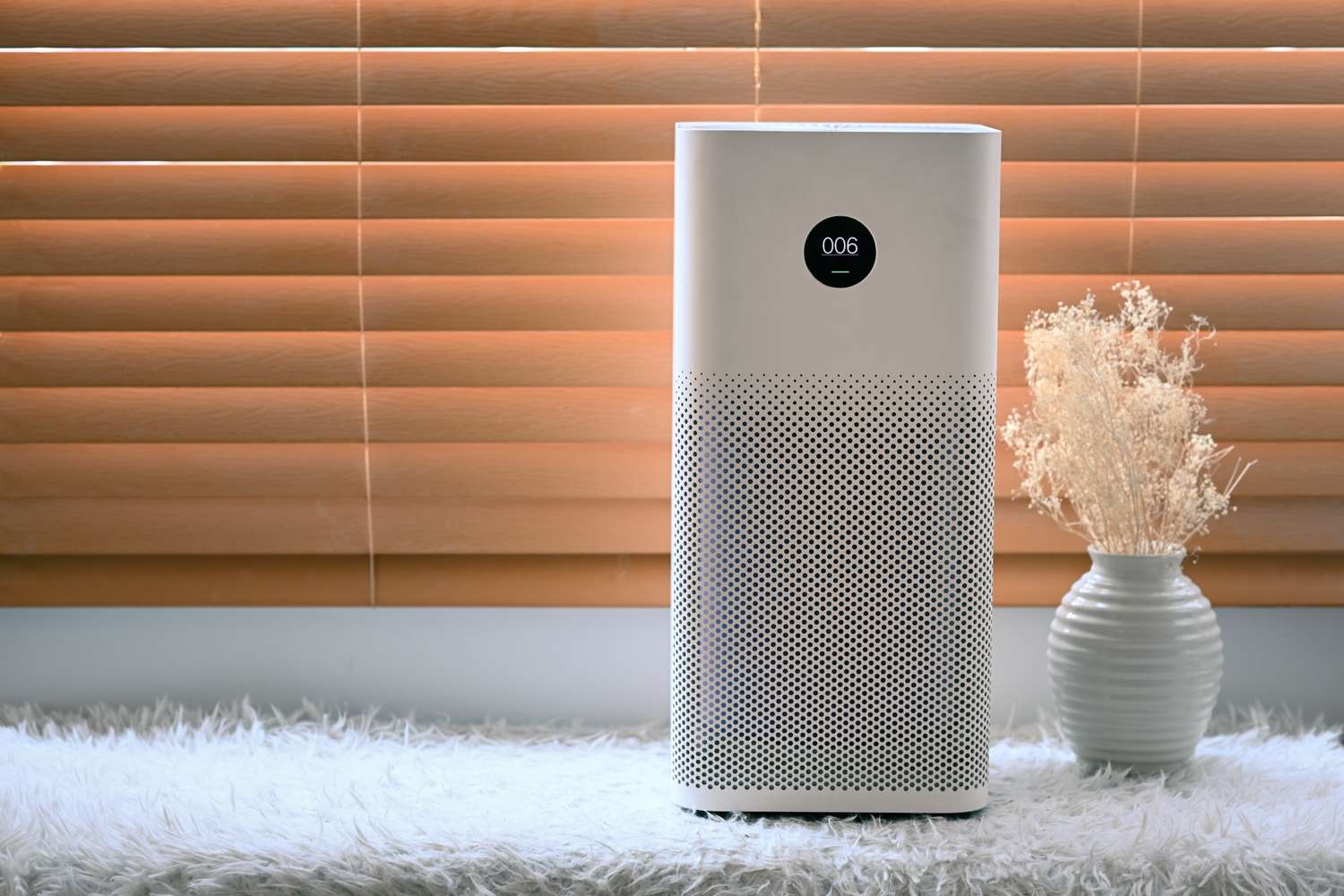
The Surprising Link: How Poor Air Quality Can Lead to Snoring
It’s easy to blame snoring on things like sleep position or weight, and those are certainly factors. But a key trigger that often flies under the radar is airborne inflammation. Think of it like this: your nasal passages are the main highway for air entering your lungs. When allergens and irritants are present, your body’s immune system goes on high alert, treating them as invaders.
This triggers an inflammatory response, causing the delicate tissues lining your airways to swell and produce more mucus. Suddenly, your multi-lane highway has been reduced to a single-lane country road with a traffic jam.
Here are the main culprits floating in your bedroom air that can contribute to this nightly congestion:
- Dust Mites: These microscopic critters thrive in bedding, carpets, and upholstery, and their waste products are a major allergen.
- Pet Dander: If you share your home (or bed) with a furry friend, their skin flakes are a constant source of irritation for many people.
- Pollen: It doesn’t just stay outside. Pollen hitches a ride on your clothes, hair, and pets, settling into your home and triggering seasonal allergies.
- Mold Spores: Damp areas can breed mold, which releases spores into the air that can irritate the respiratory system.
- VOCs (Volatile Organic Compounds): These are gases released from things like paint, new furniture, cleaning products, and air fresheners. They can act as respiratory irritants, contributing to inflammation.
When your airways are congested from breathing these particles in all night, you’re more likely to breathe through your mouth. Mouth breathing increases the likelihood of the soft palate and uvula vibrating, leading directly to snoring.
So, Can an Air Purifier Really Help With Snoring?
Yes, an air purifier can significantly help with snoring, specifically if the snoring is caused or worsened by allergies and airborne irritants. By removing these triggers from your bedroom air, a high-quality air purifier can help reduce nasal inflammation and congestion, leading to clearer airways and less vibration.
It’s not a magic cure for every type of snoring. Snoring caused by anatomical issues like a deviated septum, sleep apnea, or lifestyle factors like alcohol consumption won’t be solved by an air purifier alone. However, for the millions of people whose snoring is linked to congestion, it can be a game-changer. Think of it as addressing one of the root causes, rather than just masking the symptom.
As Dr. Eleanor Vance, an Indoor Air Quality (IAQ) specialist, often explains, “People tend to focus on what they can see, but the most disruptive particles are invisible. By continuously filtering the air in your sleep environment, you reduce the inflammatory load on your respiratory system, allowing it to rest and recover, which can naturally lead to less congested breathing and, therefore, less snoring.”
How Air Purifiers Work: The Tech That Fights Snoring Triggers
Okay, so how does this box in the corner of your room actually clean the air? It’s not magic; it’s a combination of sophisticated filtration technologies. An air purifier works by pulling in the air from your room, passing it through a series of filters, and then circulating the clean, fresh air back out. Let’s break down the core components.
True HEPA Filters: The Allergen Annihilator
This is the heart and soul of any effective air purifier. A True HEPA filter (High-Efficiency Particulate Air) is a mechanical filter made of a dense mat of fine fibers. It’s an industry standard for a reason. To earn the “True HEPA” label, a filter must be certified to capture at least 99.97% of airborne particles down to 0.3 microns in size.
To put that in perspective, a human hair is about 50-70 microns wide. We’re talking about capturing things that are completely invisible to the naked eye, including:
- Dust mite debris
- Pet dander
- Pollen grains
- Mold spores
- Fine dust and smoke particles
For someone whose snoring is triggered by allergies, a HEPA filter is non-negotiable. It physically removes the very particles causing the inflammation in your airways.
Activated Carbon Filters: The Odor and Gas Specialist
While HEPA filters are champs at capturing solid particles, they can’t do anything about gases, odors, and VOCs. That’s where the activated carbon filter comes in. This filter is made of charcoal that has been treated to be incredibly porous.
Think of it like a sponge with millions of microscopic nooks and crannies. When airborne gases and odors pass through it, they get trapped in this vast surface area through a process called adsorption. This is crucial for removing:
- VOCs from new carpets, mattresses, or paint.
- Odors from cooking, pets, or smoke.
- Chemical fumes from cleaning supplies.
By removing these chemical irritants, an activated carbon filter provides a second layer of defense against airway inflammation.
Key Metrics: Choosing the Right Air Purifier for Snoring Relief
Buying an air purifier can feel overwhelming with all the jargon and specs. But if you focus on these three key metrics, you’ll be able to cut through the noise and find a machine that actually works for your bedroom.
What is CADR and Why Does It Matter for Your Bedroom?
CADR stands for Clean Air Delivery Rate. It’s a standardized rating from the Association of Home Appliance Manufacturers (AHAM) that tells you how quickly a purifier can clean a room of a specific size. It’s measured in cubic feet per minute (CFM) and is broken down into three numbers: one for dust, one for pollen, and one for smoke. The higher the numbers, the faster it cleans the air.
For a bedroom, you want to look for a CADR that is roughly two-thirds of your room’s square footage. For example, if your bedroom is 150 sq. ft., you’ll want a purifier with a CADR of at least 100 for all three metrics.
ACH (Air Changes Per Hour): How Often Should You Clean the Air?
ACH tells you how many times the purifier can completely filter all the air in a designated room size within one hour. For general use, 2-3 ACH is fine. But for allergy sufferers or people looking for snoring relief, you should aim for 4-5 ACH. This ensures the air is being scrubbed clean every 12-15 minutes, keeping allergen levels consistently low throughout the night.
Sizing is Everything: Matching the Purifier to Your Room
This might be the most common mistake I see people make. They buy a small, underpowered unit for a large master bedroom. An undersized purifier will run constantly on its highest (and loudest) setting and still fail to clean the air effectively. Always check the manufacturer’s recommended room size and make sure it matches or slightly exceeds the size of your bedroom. It’s always better to go slightly bigger than too small.
Bảng trống.Beyond the Basics: Features That Enhance Your Sleep
Once you’ve nailed the core performance metrics (CADR, ACH, Room Size), you can look at features that improve the user experience, especially for a bedroom setting.
Smart Sensors & Auto Mode
An air purifier with an air quality sensor can detect the level of particulate matter in the air in real-time. In Auto Mode, it will automatically adjust its fan speed based on these readings. This is fantastic for nighttime use. If some dust gets kicked up, the purifier will ramp up to handle it and then quiet back down once the air is clean, all without you having to do a thing.
Noise Levels (dB): Your Silent Night Partner
The last thing you want is an air purifier that snores louder than you do. Check the noise level, measured in decibels (dB), for the lowest fan setting. A good bedroom air purifier should be whisper-quiet on its sleep mode, typically operating between 20-30 dB. For comparison, a whisper is about 30 dB, and a normal conversation is around 60 dB.
Wi-Fi Connectivity & App Control
While not essential, Wi-Fi connectivity allows you to control the purifier from your phone. You can set schedules, check your air quality history, and get reminders for filter changes. It’s a convenient feature for a modern smart home.
The Broader Health Benefits: More Than Just a Quieter Night
While your initial quest might be to find out if can an air purifier help with snoring, the benefits extend far beyond a peaceful night’s sleep. By investing in cleaner indoor air, you’re also getting:
- Allergy and Asthma Relief: Reducing airborne triggers can lead to fewer symptoms, less medication, and better overall respiratory health.
- Reduced Exposure to Viruses and Bacteria: While not a replacement for good hygiene, HEPA filters can capture airborne droplets that carry viruses and bacteria.
- Removal of Harmful Pollutants: The EPA consistently reports that indoor air can be 2-5 times more polluted than outdoor air. A purifier helps mitigate this risk.
- Improved Overall Sleep Quality: Even if you don’t snore, breathing cleaner, allergen-free air can lead to deeper, more restorative sleep.
Maintenance is Key: Keeping Your Purifier in Top Shape
Your air purifier is only as good as its filters. A clogged filter can’t clean the air effectively and can even strain the motor. Here are some simple maintenance tips:
- Check the Pre-filter: Most purifiers have a washable pre-filter that catches larger particles like hair and lint. Check and clean this every 2-4 weeks.
- Follow Filter Replacement Schedules: Your HEPA and activated carbon filters will need to be replaced. This typically ranges from 6 months to a year, depending on usage and air quality. Set a reminder on your calendar!
- Gently Wipe Down the Unit: Dust the exterior and the air intake/outlet vents regularly to ensure optimal airflow.
- Give It Space: Don’t shove your air purifier into a corner or behind furniture. It needs about a foot of clear space on all sides to circulate air effectively.
Frequently Asked Questions (FAQ)
Where is the best place to put an air purifier in the bedroom for snoring?
The best place is typically a few feet away from your bed. This allows the purifier to create a “clean air zone” around your sleeping area, ensuring you’re breathing the freshest air. Avoid placing it in a corner where airflow is restricted.
How long should I run an air purifier in my bedroom?
For best results, especially for allergy and snoring relief, you should run your air purifier 24/7. If that’s not feasible, at a minimum, turn it on an hour or two before you go to bed and let it run all night.
Will an air purifier for snoring use a lot of electricity?
Modern air purifiers, especially those with an Energy Star rating, are very energy-efficient. On a low setting, most use less electricity than a standard light bulb. The cost is typically just a few dollars a month to run continuously.
Can an air purifier help with sleep apnea?
No. This is critically important. Sleep apnea is a serious medical condition where breathing repeatedly stops and starts during sleep. While an air purifier can improve the air quality you breathe, it is not a treatment for sleep apnea. If you suspect you have sleep apnea, you must consult a doctor.
How soon will I notice a difference in my snoring?
If your snoring is caused by airborne allergens, you might notice a difference within a few nights of using the air purifier consistently. For some, it may take a week or two as the inflammation in their airways calms down.
Your Journey to a Quieter Night
So, let’s circle back to our original question: can an air purifier help with snoring? The answer is a resounding yes—for the right kind of snorer. By waging a quiet, constant war on the invisible dust, dander, and pollen in your bedroom, a high-quality air purifier with a True HEPA filter can reduce the congestion and inflammation that leads to snoring.
It’s about creating a sleep sanctuary where your body isn’t fighting off airborne irritants all night. This simple step can not only lead to quieter nights and happier partners but also contribute to deeper, more restorative sleep and better overall health. It’s time to stop just putting up with the noise and start addressing one of its potential root causes. Start your journey to cleaner air and more peaceful nights today.