Ever wake up with a stuffy nose, a scratchy throat, or that groggy feeling you just can’t shake? You blame it on a bad pillow or maybe a draft, but the culprit might be invisible: the very air you’re breathing all night long. This brings us to a question I get asked all the time here at Air Purifier Guy: Should You Sleep With An Air Purifier On? The short answer is a resounding yes. But as your dedicated guide to all things clean air, I’m not here to just give you a one-word answer. We’re going to dive deep into why running an air purifier overnight isn’t just a good idea—it’s one of the best things you can do for your sleep quality and overall health.
Think of your bedroom as a sealed container. For eight hours, you’re breathing in and out, circulating the same air. That air is filled with a cocktail of microscopic party crashers: dust mites, pet dander, pollen that snuck in on your clothes, and even chemical gases called VOCs off-gassing from your mattress and furniture. Leaving these pollutants to run amok while your body is trying to rest and repair is like trying to sleep at a loud concert. Your body is still fighting a low-level battle, which can disrupt deep sleep. So, let’s pull back the curtain and explore why a purifier is your best nighttime ally.
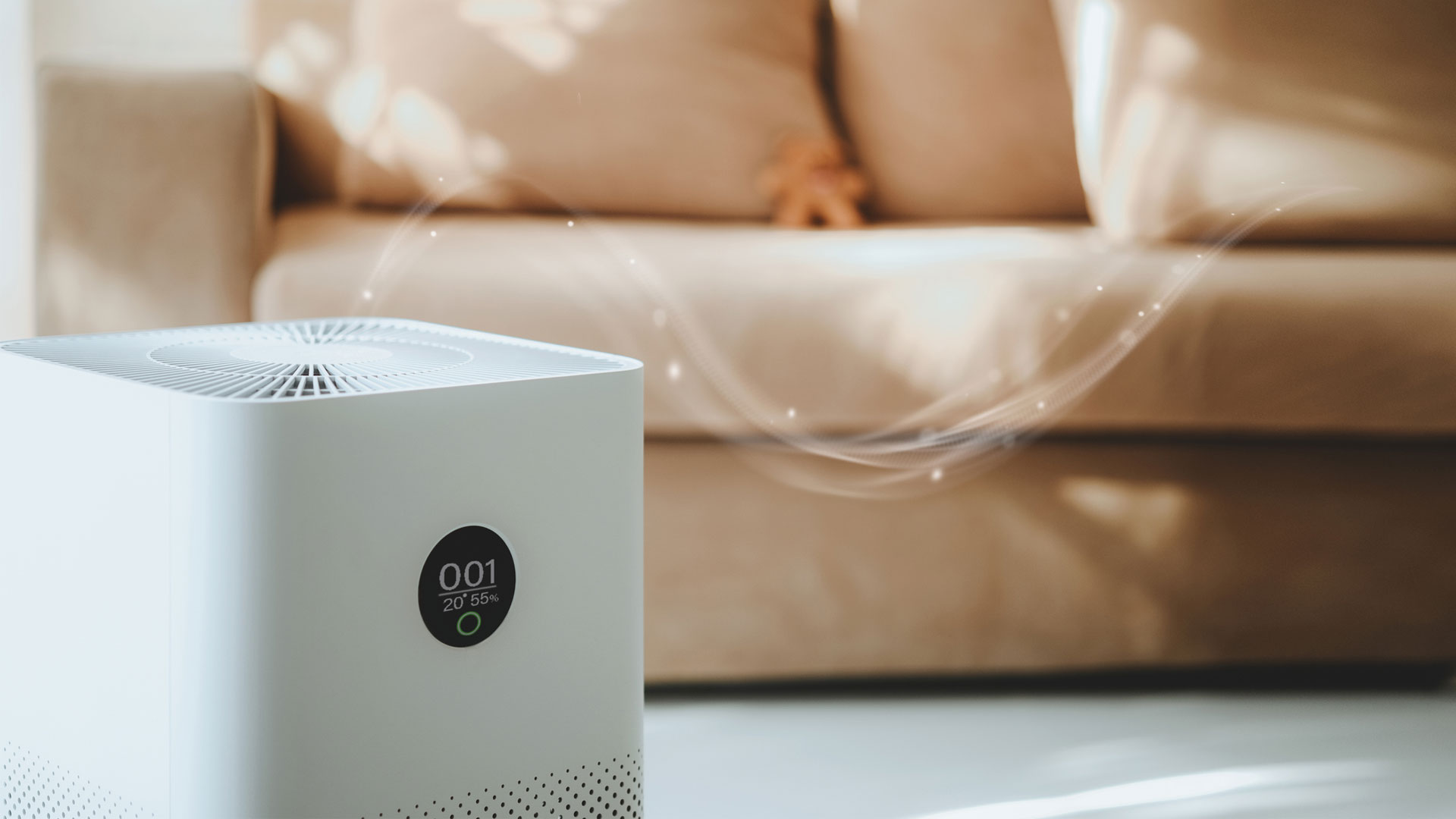
The Invisible Problem: Why Your Bedroom Air Needs Help
You might think your home is a clean sanctuary, but according to the U.S. Environmental Protection Agency (EPA), indoor air can be two to five times more polluted than the air outside. That’s a staggering statistic, especially when you consider we spend about a third of our lives in the bedroom.
So, what are you up against?
- Allergens: This is the big one. Dust mites, which thrive in bedding, pet dander from your furry friends, pollen, and mold spores are all common triggers for allergies and asthma. They can cause sneezing, congestion, and itchy eyes, making restful sleep feel impossible.
- Particulate Matter (PM2.5): These are tiny, inhalable particles from sources like cooking fumes, smoke, and outdoor pollution that have seeped inside. They are small enough to get deep into your lungs and even your bloodstream.
- Volatile Organic Compounds (VOCs): These are gases emitted from common household items like paint, cleaning supplies, new furniture, and even mattresses. They can cause headaches, nausea, and long-term health issues.
- Odors: Lingering smells from last night’s dinner, a damp towel, or your pet’s bed can be more than just annoying; they can be disruptive to your peace and quiet.
Your body is in a vulnerable state when you’re asleep. Your breathing is slower and deeper, meaning you’re taking in more of whatever is floating around. Running a purifier creates a clean air bubble around you, ensuring every breath you take is as pure as possible.
How an Air Purifier Becomes Your Nightly Guardian
Okay, so we know the air is full of gunk. How does a simple machine fix it? It’s not magic, it’s just brilliant, multi-stage science. Think of a high-quality air purifier as a nightclub with a very strict bouncer.
The Bouncer: The HEPA Filter
The heart and soul of any great air purifier is its HEPA filter. HEPA stands for High-Efficiency Particulate Air. To earn this name, a filter must be proven to trap 99.97% of particles down to 0.3 microns in size.
How small is that? A human hair is about 50-70 microns thick. We’re talking about capturing things that are completely invisible to the naked eye—the exact stuff that gets into your lungs.
As Dr. Eleanor Vance, an Indoor Air Quality (IAQ) specialist, often reminds her clients, “A HEPA filter is your non-negotiable first line of defense. It’s the physical barrier that stops allergens, dust, and viruses in their tracks before they can disrupt your sleep and health.”
So, as air is pulled through the unit, the HEPA filter acts like a super-fine, tangled web, snagging dust, dander, pollen, and even some bacteria and viruses.
The Deodorizer: The Activated Carbon Filter
But what about the things you can smell? Those pesky odors and chemical gases (VOCs) are too small to be caught by the HEPA filter’s web. That’s where the activated carbon filter comes in.
Think of it like a giant sponge for smells and gases. Activated carbon is treated to have millions of tiny, absorbent pores. As air passes through, these pores trap gas and odor molecules through a process called adsorption. This is what gets rid of the stale smell in a stuffy room, the lingering scent of fried onions, or the chemical odor from a new rug.
The Extra Security: Other Technologies like UV-C
Some purifiers include a UV-C light. This is designed to kill germs, viruses, and mold spores that get trapped in the filter. While it can be an effective feature, it’s important to choose units that are certified not to produce ozone, a lung irritant. For most people, a solid HEPA and activated carbon combination is the most effective and safest bet.
The Real-World Benefits of Sleeping with an Air Purifier On
Now for the good part. What actually happens when you start sleeping in a room with truly clean air? As someone who has personally battled seasonal allergies my whole life, I can tell you the difference is night and day.
- Wake Up Clear, Not Congested: This is often the first thing people notice. By removing allergens from the air, the purifier prevents your immune system from going into overdrive all night. You wake up able to breathe freely through your nose.
- Reduce Snoring: Snoring is often caused or worsened by inflamed and congested airways. By reducing irritants like dust and dander, an air purifier can help soothe those airways, leading to quieter nights for both you and your partner.
- Deeper, More Restorative Sleep: When your body isn’t fighting off allergens or irritants, it can focus on the important work of resting and repairing. This means you spend more time in the deep, restorative stages of sleep, leading to more energy and mental clarity the next day.
- A Soothing White Noise: Many people find the low, consistent hum of an air purifier’s fan incredibly soothing. This gentle white noise can mask disruptive background sounds like traffic, a snoring partner, or a neighbor’s dog, helping you fall asleep faster and stay asleep longer.
What to Look For in a Bedroom Air Purifier
Alright, you’re convinced. But not all purifiers are created equal, especially for the bedroom. The key is to find a machine that’s effective, efficient, and won’t disturb your slumber. Here are the key metrics to understand before you buy.
What is CADR in an air purifier?
CADR stands for Clean Air Delivery Rate. It’s a standardized metric that tells you how much clean air a purifier produces on its highest setting. It’s measured in three categories: dust, pollen, and smoke. A higher CADR means the unit can clean the air in your room faster and more effectively.
Look for a CADR rating that is at least two-thirds of your room’s square footage. For example, for a 150-square-foot bedroom, you’d want a purifier with a CADR of at least 100 in all three categories.
How do I choose the right size air purifier for my bedroom?
Choosing the right size is critical. An undersized unit will have to run on high constantly, making it loud and inefficient. An oversized one is great but might be overkill. Follow the “two-thirds” rule with CADR, or check the manufacturer’s recommended room size. Also, pay attention to the ACH (Air Changes per Hour). For a bedroom, especially for allergy sufferers, you want a unit that can provide at least 4-5 ACH, meaning it cleans the entire volume of air in the room 4-5 times every hour.
Bảng trống.Why is the noise level so important for sleep?
This one’s a no-brainer. The last thing you want is a machine that sounds like a jet engine taking off next to your bed. Noise levels are measured in decibels (dB). For sleeping, you want a purifier that operates at or below 30 dB on its lowest setting, which is about the sound of a whisper. Look for models that specifically advertise a “Sleep Mode” or “Quiet Mode.”
What are the must-have features for a bedroom?
- Sleep Mode: This feature dims or turns off all display lights and runs the fan at its quietest setting. It’s a non-negotiable for light sleepers.
- Auto Mode: A unit with an air quality sensor can detect the level of pollutants in the air and automatically adjust its fan speed. This is incredibly efficient—it runs quietly when the air is clean and ramps up only when needed.
- Filter Life Indicator: You shouldn’t have to guess when to change your filters. A simple light or app notification that tells you it’s time for a replacement is a huge convenience.
Maintenance: Keeping Your Nightly Air Guardian Effective
Buying the purifier is just step one. To keep it running at peak performance, you need to show it a little love.
- Check the Pre-Filter: Most units have a washable pre-filter that catches larger particles like hair and lint. You should clean this every 2-4 weeks. Just rinse it under water, let it dry completely, and pop it back in.
- Know Your Main Filter: The HEPA and activated carbon filters are not washable. They need to be replaced. How often depends on the model and how much you use it. Generally, it’s every 6-12 months.
- Wipe Down the Unit: Give the exterior and the air intake/outlet vents a quick wipe with a dry cloth every few weeks to prevent dust buildup.
- Give It Space: Don’t shove your air purifier in a corner or behind furniture. It needs at least a foot or two of clearance on all sides to circulate air effectively.
Frequently Asked Questions (FAQ)
Is it expensive to run an air purifier all night?
No, not at all. Modern air purifiers, especially those with an Energy Star rating, are incredibly energy-efficient. Running a typical medium-sized unit for 8 hours every night will likely cost you just a few dollars per month on your electricity bill—a tiny price for clean, healthy air.
Where is the best place to put an air purifier in a bedroom?
The best spot is where it can circulate air most freely, typically a few feet away from walls and furniture. Many people place it 3-5 feet away from their bed, aimed so that the clean air flows towards their sleeping area. Avoid placing it in tight corners.
How often should I change the filter if I run it every night?
If you’re running your purifier for 8-12 hours every night, you’ll likely be on the shorter end of the manufacturer’s recommended replacement schedule. For a filter rated for 6-12 months, plan on replacing it closer to the 6-month mark to maintain peak performance.
Can the noise from an air purifier actually help me sleep?
Yes, for many people it can. The consistent, low-frequency sound is a form of “white noise” (or more accurately, “pink noise”). It creates a sound-masking effect that can drown out sudden, jarring noises like a car horn or a door slamming, which are what typically wake you up.
Will an air purifier make my room cold?
This is a common myth. An air purifier only circulates the air that is already in the room; it does not have a cooling mechanism like an air conditioner. While you will feel a gentle breeze if you stand right in front of it, it will not lower the overall room temperature.
The Final Verdict: Your Journey to a Healthier Night’s Sleep
So, let’s circle back to our original question: should you sleep with an air purifier on? After looking at the science, the benefits, and the real-world impact, the answer is an unequivocal yes. It’s a simple, passive, and powerful way to take control of your environment and invest in your health while you sleep.
By filtering out the allergens, dust, and chemicals that disrupt your rest, you’re not just buying a machine; you’re creating a nightly sanctuary for your body to truly heal and recharge. You’re giving yourself the gift of waking up refreshed, clear-headed, and ready to take on the day. Your journey to cleaner air and better sleep starts tonight.