Ever feel like you’re fighting a losing battle against dust, sniffles, or that lingering smell from last night’s dinner? You’re not alone. The air inside our homes, where we spend most of our time, can be surprisingly polluted. That’s where finding the Best Smart Air Purifier comes in, not just as another gadget, but as a game-changer for your health and home environment. If you’ve ever woken up with a stuffy nose or wondered why you’re sneezing more indoors than out, this guide is for you. We’re going to demystify the tech, cut through the jargon, and empower you to choose a device that truly makes a difference.
Why Bother with a Smart Air Purifier Anyway?
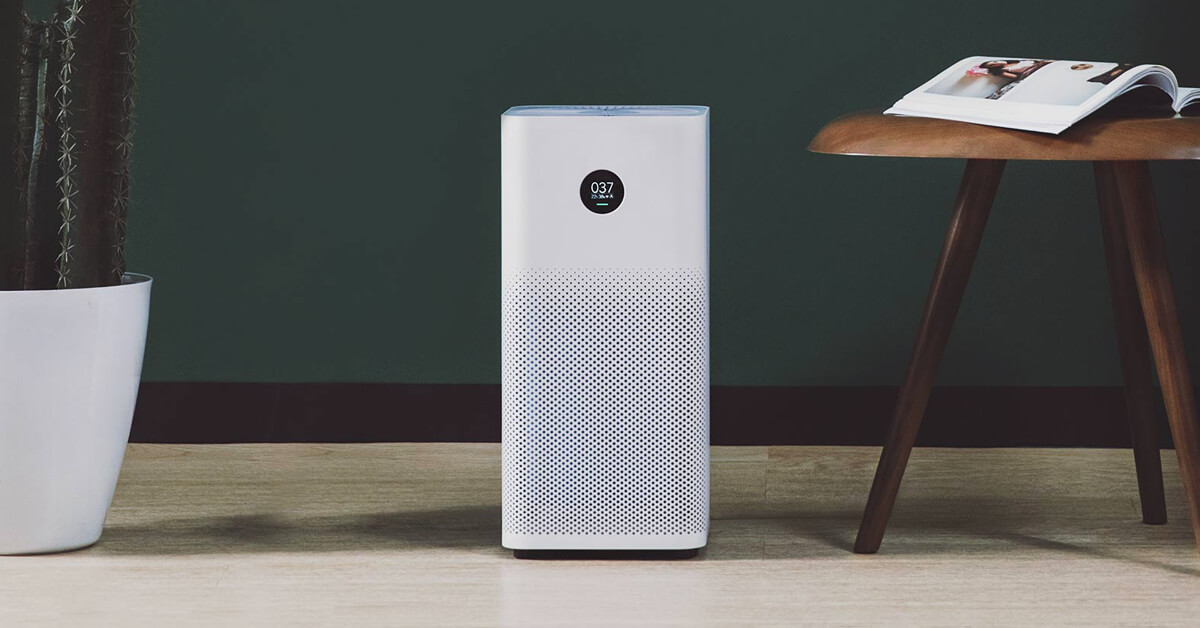
So, what separates a “smart” air purifier from a regular one? It’s like the difference between a flip phone and a smartphone. Both make calls, but one does a whole lot more. A standard air purifier is a manual affair—you turn it on, you pick a fan speed, and you turn it off. A smart air purifier, on the other hand, is your home’s automated air quality guardian.
These devices are packed with sensors that constantly monitor your air. They can detect microscopic dust particles (known as PM2.5), volatile organic compounds (VOCs) from things like paint or cleaning supplies, and even allergens. When they sense a spike in pollution—say, you start cooking or the dog runs in from outside—they automatically ramp up the fan speed to tackle the problem, then power back down when the air is clean. This “set it and forget it” convenience means you’re getting cleaner air exactly when you need it, without wasting energy. Plus, with Wi-Fi connectivity, you can control everything from your phone, check your air quality history, and get reminders to change your filter. It’s about efficiency, data-driven performance, and ultimate peace of mind.
How Air Purifiers Actually Clean Your Air: A Crash Course
Before we dive into the smart features, let’s get back to basics. How does this box actually clean the air? It’s not magic, but a combination of proven technologies. Most quality purifiers rely on a multi-stage filtration system.
The Heavy Hitter: True HEPA Filters
This is the non-negotiable heart of any serious air purifier. The term HEPA stands for High-Efficiency Particulate Air. A True HEPA filter is certified to capture 99.97% of airborne particles as small as 0.3 microns.
What’s a micron? To put it in perspective, a human hair is about 50-70 microns thick. We’re talking about capturing things that are completely invisible to the naked eye:
- Dust mite allergens
- Pet dander
- Pollen
- Mold spores
- Fine smoke particles
Think of a HEPA filter as an incredibly fine, dense net. As air is forced through it, these microscopic troublemakers get trapped. Be wary of marketing terms like “HEPA-type” or “HEPA-like.” They are not the same and don’t meet the same rigorous standards. Always look for the True HEPA designation.
The Odor and Gas Specialist: Activated Carbon
Ever notice how a HEPA filter can’t get rid of the smell of burnt toast or fresh paint? That’s because odors and gases are much smaller than particles and will pass right through a HEPA filter. This is where the activated carbon filter comes in.
This filter is made of carbon that has been treated to have millions of tiny, absorbent pores. It works through a process called adsorption (not absorption), where gaseous pollutants chemically stick to the surface of the carbon. It’s like a sponge for smells and chemicals, effectively neutralizing:
- Volatile Organic Compounds (VOCs) from furniture, carpets, and cleaning products.
- Pet odors.
- Cooking smells.
- Smoke and other fumes.
As Dr. Eleanor Vance, an Indoor Air Quality (IAQ) specialist, often reminds her clients, “A HEPA filter is your first line of defense against microscopic particles, but don’t underestimate the power of activated carbon for gaseous pollutants and odors. The two work as a team for truly comprehensive air purification.”
The Optional Extra: UV-C Light
Some purifiers include a UV-C lamp, which is designed to kill airborne germs like bacteria and viruses. While the concept sounds great, its effectiveness in a fast-moving air purifier is a topic of debate. For germs to be neutralized, they need sufficient exposure time to the UV light. In many consumer-grade units, the air moves too quickly for this to be truly effective. It’s a nice-to-have feature for some, but your primary focus should be on the quality of the HEPA and carbon filters.
Decoding the Specs: What Matters When Choosing the Best Smart Air Purifier
Walking into the world of air purifier specs can feel like reading a foreign language. Let’s translate the most important metrics so you know exactly what to look for.
What is CADR and Why Should I Care?
CADR stands for Clean Air Delivery Rate. It’s a standardized metric, usually certified by the Association of Home Appliance Manufacturers (AHAM), that tells you how quickly and effectively the purifier can clean a room of a specific size. A higher CADR means faster purification.
CADR is measured for three common pollutants: dust, pollen, and smoke. A purifier will have a rating like 200/220/200, representing its performance for each. When shopping, look for the smoke CADR, as smoke particles are the smallest and hardest to capture.
A good rule of thumb is the 2/3 Rule: Your purifier’s smoke CADR should be at least two-thirds of your room’s area in square feet.
- Example: For a 300 sq. ft. living room, you’d want a purifier with a smoke CADR of at least 200 (300 x 2/3 = 200).
Understanding ACH (Air Changes per Hour)
ACH, or Air Changes per Hour, tells you how many times the purifier can completely clean all the air in a given room in one hour. This is a crucial metric, especially for those with allergies or asthma.
- 2 ACH: The standard for normal use.
- 4-5 ACH: The recommended rate for allergy and asthma sufferers, as it keeps the air consistently clean and reduces the buildup of triggers.
Most manufacturers base their “room size coverage” on achieving 2 ACH. If you have severe allergies, you might want to choose a purifier rated for a larger room than yours to ensure you get a higher ACH.
Room Size: Don’t Go Too Big or Too Small
Choosing the right size is critical. An underpowered unit will struggle to keep the air clean, while an oversized one might be overkill (and more expensive). Use the CADR 2/3 rule to find the sweet spot for your space. Measure your room’s length and width to get the square footage, and then match it to a purifier with an appropriate CADR.
Bảng trống.The “Smart” in Smart Air Purifier: Features to Look For
This is where the best smart air purifier models truly shine. These features are what transform the device from a simple appliance into an intelligent part of your healthy home ecosystem.
Intelligent Sensors and Auto Mode
The brain of a smart purifier is its air quality sensor. Most will have a PM2.5 sensor to detect fine particulate matter. More advanced models also include sensors for VOCs (gases) and even humidity. This data is what fuels Auto Mode. The purifier displays the current air quality—often with a color-coded light (e.g., blue for good, yellow for moderate, red for poor)—and adjusts its fan speed in real-time. This is the single most important smart feature for efficient, hassle-free operation.
Wi-Fi Connectivity and App Control
A dedicated smartphone app unlocks a new level of control. From the app, you can:
- Monitor your home’s air quality in real-time, even when you’re away.
- Manually adjust settings and fan speed.
- Set schedules (e.g., run on high an hour before you get home).
- View historical air quality data to identify patterns.
- Check the filter’s remaining lifespan and order a replacement.
Voice Assistant Integration
For the ultimate hands-free convenience, look for models compatible with Amazon Alexa, Google Assistant, or Apple’s Siri. Being able to say, “Hey Google, set the living room air purifier to high,” is a small luxury that you’ll quickly come to appreciate.
Noise Levels: Your Sanity Depends on It
An air purifier is only useful if you’re willing to run it. If it sounds like a jet engine, it’s probably going to sit in a corner collecting dust. Noise levels are measured in decibels (dB).
- 20-30 dB: This is whisper-quiet, ideal for a bedroom on the lowest setting.
- 40-50 dB: Similar to the hum of a refrigerator. Noticeable but not disruptive for a living room during the day.
- 60+ dB: This is as loud as a normal conversation and is typically reserved for the highest “turbo” settings.
Look for a model with a low dB rating on its sleep mode or lowest setting.
The Real-World Benefits: More Than Just Clean Air
I’ve had a purifier in my bedroom for years to help with my own battle with seasonal allergies. The difference is night and day. I wake up with a clear head instead of a stuffy nose. Beyond personal anecdotes, the benefits are clear. By constantly filtering out pollutants, a good air purifier can lead to:
- Reduced Allergy and Asthma Symptoms: Fewer triggers like pollen, dander, and dust mites mean less sneezing, coughing, and irritation.
- Better Sleep: Clean air can lead to less nighttime congestion and a more restful sleep.
- Odor Removal: A home that simply smells fresher and cleaner.
- Peace of Mind: Knowing you’re actively creating a healthier environment for your family, especially for children and the elderly.
Keeping Your Air Pure: Maintenance and Filter Tips
Buying the purifier is just the first step. Proper maintenance is key to its long-term performance.
- Check the Pre-Filter: Most units have a washable pre-filter that catches larger debris like hair and lint. You should clean this every 2-4 weeks. Simply rinse it under water, let it dry completely, and pop it back in.
- Replace the HEPA/Carbon Filter: This is the most important step. The main filter is not washable and will need to be replaced. Most smart purifiers will tell you exactly when via the app or an indicator light. This is typically every 6-12 months, depending on usage and air quality.
- Factor in Filter Costs: When choosing a purifier, look up the price of its replacement filters. This is an ongoing cost you need to budget for. Cheaper units sometimes have surprisingly expensive filters.
Frequently Asked Questions (FAQ)
1. How often should I change the filter in my best smart air purifier?
Most manufacturers recommend replacing the main HEPA and activated carbon filter combo every 6 to 12 months. However, a key benefit of a smart purifier is that it tracks actual usage and air quality, giving you a much more accurate notification on its app or display when it’s time for a change.
2. Can a smart air purifier help with pet dander and odors?
Absolutely. A purifier with a True HEPA filter is excellent at capturing microscopic pet dander, a common allergen. The activated carbon filter is essential for adsorbing and neutralizing pet odors, leaving your home smelling much fresher.
3. Do smart air purifiers use a lot of electricity?
Thanks to their Auto Mode, smart air purifiers are generally very energy-efficient. They only run at high, power-intensive speeds when pollution is detected. For the majority of the time, they operate on a low, energy-sipping setting. Many are also Energy Star certified.
4. Where is the best place to put my air purifier?
For best results, place it in the room where you spend the most time, like the bedroom or living room. Ensure there are at least a few feet of clear space around the unit on all sides to allow for proper air circulation. Avoid tucking it into a corner or behind furniture.
5. Can I just leave my windows open instead of using an air purifier?
While fresh air is great, opening windows can also let in pollen, dust, car exhaust, and other outdoor pollutants. An air purifier cleans the air inside your home, creating a controlled, clean environment, which is especially important during allergy season or in areas with poor outdoor air quality.
Your Journey to a Healthier Home
Choosing the best smart air purifier isn’t about buying the most expensive model with the longest feature list. It’s about understanding your specific needs—your room size, your health concerns, and your lifestyle—and finding a device that meets them. By focusing on the fundamentals like True HEPA filtration and an appropriate CADR, and then layering on the smart features that offer real convenience, you can make a truly informed decision. It’s an investment not just in a piece of technology, but in the quality of every breath you and your family take. Start your journey to cleaner air today.