Air purifiers with washable filters offer long-term savings and reduced environmental waste, but they typically provide lower filtration efficiency compared to True HEPA filters. While they are effective for capturing larger particles like dust and pet hair, they may not be suitable for individuals with severe allergies or asthma due to their reduced ability to capture microscopic particles. Proper maintenance, including thorough drying, is crucial to prevent mold growth.
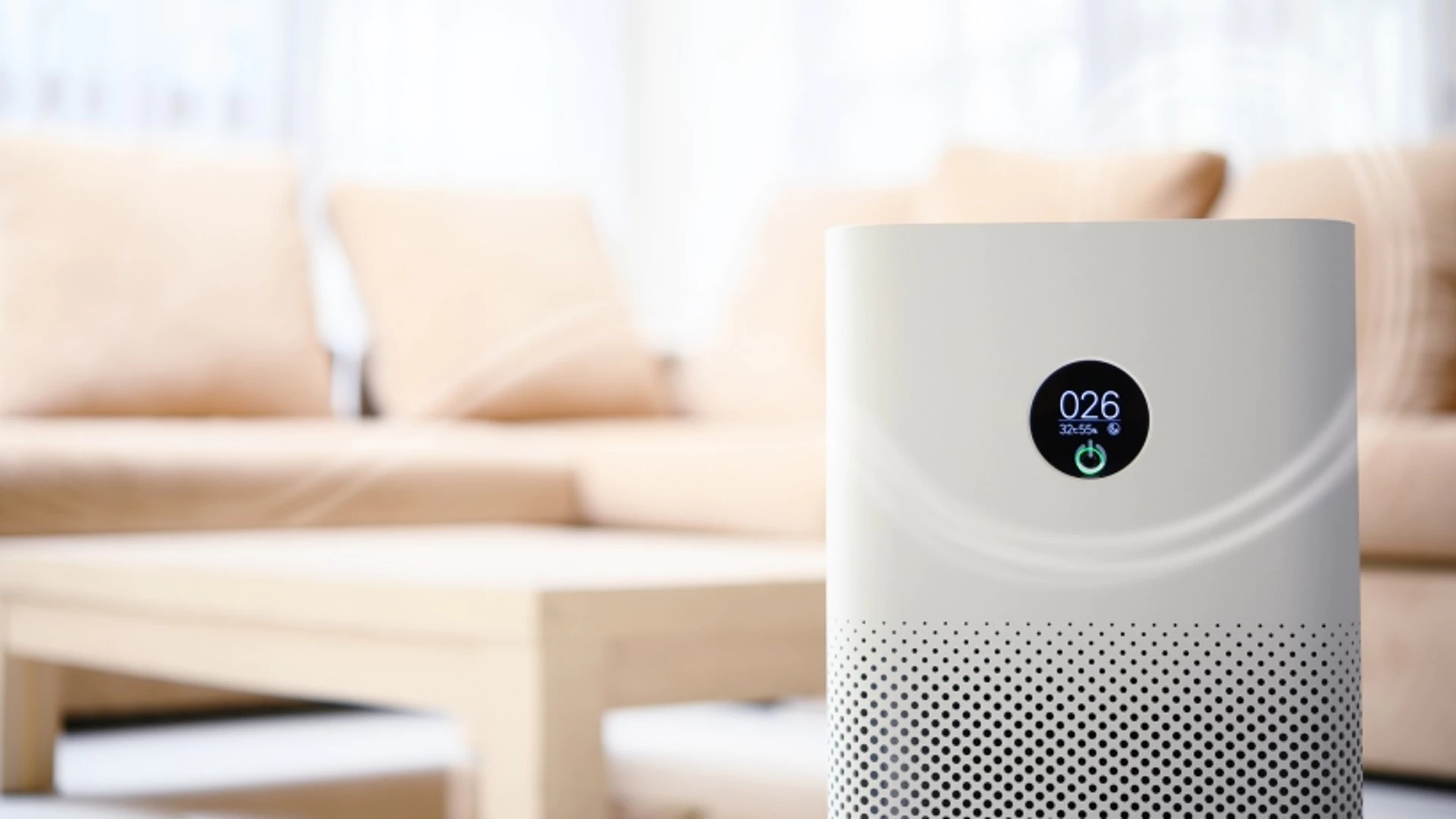
Why Are We Even Talking About Washable Filters? The Big Appeal
Let’s face it: the primary draw of an air purifier with a washable filter is the potential for long-term savings. A standard True HEPA filter can cost anywhere from $20 to over $100 to replace, and you’re typically doing that every 6 to 12 months. Over the life of the machine, that adds up to a significant expense. For explore our air purifiers reviews on this site.
Washable, or more accurately, permanent and cleanable filters, eliminate this recurring cost. The idea is simple: when the filter gets dirty, you just take it out, wash it, let it dry completely, and pop it back in. It feels less wasteful, more convenient, and certainly more budget-friendly. But as with most things that seem too good to be true, there’s a catch. And that’s what we’re here to investigate.
How Do Air Purifiers Actually Work? Core Technologies Explained
Before we can judge washable filters, we need a quick refresher on how these machines clean our air. Think of an air purifier as a fan with a very, very sophisticated screen. It pulls in the dirty air from your room, forces it through one or more filters, and releases cleaner, fresher air back out. The magic is all in the filters.
True HEPA Filters: The Gold Standard
A True HEPA (High-Efficiency Particulate Air) filter is the industry benchmark for a reason. To earn this label, a filter must be proven to capture at least 99.97% of airborne particles down to 0.3 microns in size.
What’s a micron? It’s tiny. To put it in perspective:
- A human hair is about 50-70 microns wide.
- Pollen is about 10-100 microns.
- Dust mites and pet dander are around 10 microns.
- Smoke and bacteria are often less than 1 micron.
A HEPA filter is a dense mat of fibers that traps these microscopic villains like a spiderweb. It’s incredibly effective against the most common triggers for allergies and asthma. However, you cannot wash a True HEPA filter. Doing so would destroy the delicate fiber mesh and render it useless.
Activated Carbon Filters: The Odor Eaters
Bảng trống.While HEPA filters are masters of particles, they can’t do anything about gases, odors, or VOCs (Volatile Organic Compounds). That’s where activated carbon comes in. This is a highly porous material that acts like a sponge for smells and chemical fumes from things like paint, cleaning products, and cooking. Most high-quality air purifiers have a separate activated carbon filter working alongside the HEPA filter.
Washable Filters: A Different Breed
Most air purifiers advertised with “washable filters” don’t use the same technology as a HEPA filter. They typically rely on a few different methods:
- Washable Pre-filters: This is the most common and useful type. It’s a simple mesh screen that captures large particles like hair, pet fur, and large dust bunnies. Almost all purifiers have one, and they absolutely should be washed regularly (every 2-4 weeks) to protect the more expensive filters inside.
- Permanent “HEPA-type” or “iFD” Filters: These are the filters at the core of our discussion. They are not True HEPA. Instead of a dense fiber mat, they often use electrostatic principles to charge particles and attract them to collector plates. You can wash these plates to remove the collected gunk. While they can be effective, their efficiency can be lower than True HEPA, and it may degrade over time and with each wash.
As Dr. Eleanor Vance, an Indoor Air Quality (IAQ) specialist, often says, “A washable filter can be a cost-effective solution for general dust reduction, but for individuals with significant respiratory sensitivities, the certified performance of a True HEPA filter is non-negotiable.”
Key Metrics for Your Air Purifier with Washable Filter Reviews
When you’re comparing models, the marketing can be overwhelming. Let’s cut through it by focusing on the three numbers that really matter.
What is CADR in an air purifier?
CADR, which stands for Clean Air Delivery Rate, is a standardized metric that tells you how quickly the purifier can clean a room of a specific size. It’s measured in cubic feet per minute (CFM) for three common pollutants: dust, pollen, and smoke. A higher CADR number means faster cleaning.
Think of it like the horsepower of the purifier’s engine. A V8 engine will get you up a hill faster than a four-cylinder, and a high CADR will clean your air faster than a low one. Always look for a CADR rating that is at least two-thirds of your room’s square footage. For example, a 150 sq. ft. room needs a purifier with a CADR of at least 100 for all three pollutants.
What is ACH and why does it matter?
ACH, or Air Changes per Hour, tells you how many times the purifier can cycle through and clean the entire volume of air in a given room in one hour. For general air quality, 2 ACH is fine. However, for those with allergies or asthma, the recommendation from experts is 4-5 ACH. This ensures that allergens are removed from the air much more frequently, reducing your exposure.
Room Size Rating
Manufacturers will always list a recommended room size. Take this with a grain of salt. This rating is often based on achieving only 1 or 2 ACH. Use the CADR and your desired ACH to calculate the true ideal room size for your needs.
The Pros and Cons: An Honest Breakdown
Okay, let’s get to the heart of our air purifier with washable filter reviews. Are they worth it? It depends entirely on what you’re trading for that long-term saving.
The Pros:
- Cost Savings: This is the big one. No need to buy replacement filters every year. The upfront cost of the machine is your main investment.
- Reduced Environmental Waste: You’re not throwing away large plastic and fiber filters every few months, which is a nice eco-friendly bonus.
- Convenience: You never have to worry about finding the right replacement filter model or discovering it’s been discontinued.
The Cons:
- Lower Filtration Efficiency: This is the most critical trade-off. Many washable filters are “HEPA-type,” capturing around 95-99% of particles, but not the 99.97% of a True HEPA. That small percentage difference can mean millions of tiny particles left in your air, which can be a deal-breaker for allergy sufferers.
- The Maintenance Hassle is Real: “Washable” sounds easy, but it requires diligence. You must wash the filter according to instructions and—this is crucial—let it dry completely before reinstalling it. A damp filter is a breeding ground for mold and bacteria, which the purifier would then happily blow all over your room. This drying process can take 24 hours, meaning your purifier is out of commission during that time.
- Potential for Ozone: Some models that use ionization or electrostatic technology to help washable filters work can produce ozone as a byproduct. Ozone is a known lung irritant and can be harmful, especially for those with respiratory conditions. Always check if a model is CARB (California Air Resources Board) certified, which means it produces negligible and safe levels of ozone.
- Performance Can Degrade: Unlike a disposable filter that you replace for brand-new performance, a washable filter can lose efficiency over time. Micro-scratches from cleaning and stubborn, embedded particles can reduce its ability to capture pollutants effectively after a year or two.
Who Is a Washable Filter Air Purifier REALLY For?
After reviewing dozens of models and talking to countless users, I’ve found that these units are a great fit for a specific type of person, but not for everyone.
A washable filter air purifier might be a great choice for you if:
- You are primarily concerned with capturing larger particles like dust and pet hair.
- You do not suffer from severe allergies, asthma, or other respiratory conditions.
- You are diligent about maintenance and don’t mind the downtime while the filter dries.
- Your main goal is general air freshening in a smaller space, like a dorm room or home office.
- You are on a strict budget and the ongoing cost of HEPA filters is a major barrier.
You should probably stick with a True HEPA model if:
- You or a family member has asthma, significant allergies, or a compromised immune system.
- You live in an area with high levels of pollution, smoke from wildfires, or other fine particulate matter.
- You are concerned about capturing the smallest viruses, bacteria, and mold spores.
- You want the absolute best performance and peace of mind.
- You prefer the simple “set it and forget it” maintenance of replacing a filter every few months.
Maintenance Tips for Washable Filters
If you do decide to go the washable route, proper care is everything. Here’s a simple checklist to keep it running effectively:
- Check the Manual: Every model is different. Follow the manufacturer’s specific cleaning instructions.
- Unplug the Unit: Safety first! Always unplug the air purifier before removing the filter.
- Gentle Rinsing: Use lukewarm tap water to rinse the filter. Do not use soap, detergents, or harsh chemicals unless explicitly instructed by the manufacturer, as they can damage the filter.
- No Scrubbing: Avoid using brushes or abrasive sponges. Let the water pressure do the work.
- Dry, Dry, Dry: This is the most important step. Let the filter air dry completely for at least 24 hours. Placing it in a sunny, well-ventilated spot can help. Do not use a hairdryer or put it in the oven!
- Reinstall Correctly: Once bone-dry, place the filter back into the unit, ensuring it’s facing the right direction.
Frequently Asked Questions (FAQ)
Q1: Are air purifiers with washable filters as good as HEPA filters?
In terms of pure particle capture efficiency, no. A True HEPA filter is certified to capture 99.97% of particles at 0.3 microns. Most washable filters have a slightly lower capture rate. While they are good for general dust and dander, they are not the medical-grade standard for those with serious respiratory issues.
Q2: How often should I clean a washable filter?
This depends on your home’s air quality. In a typical home, cleaning it every 2-4 weeks is a good starting point. If you have pets, smokers, or live in a dusty area, you may need to clean it more frequently. Most units have a “check filter” indicator light to remind you.
Q3: Do all washable filter air purifiers produce ozone?
Not all, but many that rely on electrostatic or ionization technology do. To be safe, look for models that are certified by the California Air Resources Board (CARB) or are explicitly labeled as “ozone-free.”
Q4: Can I wash a regular HEPA filter to save money?
Absolutely not. Washing a True HEPA filter will damage the intricate web of fibers that allows it to capture microscopic particles. It will become ineffective and can even lead to mold growth.
Q5: What are the best brands for air purifiers with washable filters?
While I avoid recommending specific models to remain unbiased, brands like Honeywell (with their iFD filters) and some models from Winix have been popular in this category. The key is to look at their specific CADR ratings, features, and third-party certifications rather than just the brand name.
The Final Verdict
So, what’s the bottom line in our air purifier with washable filter reviews? They are a viable, budget-friendly option for the right person and the right situation. They offer a fantastic way to reduce general household dust and dander without the recurring cost of filter replacements.
However, they represent a clear trade-off: you’re swapping peak filtration performance and simplicity for long-term savings and more hands-on maintenance. For those with severe health concerns, the proven, certified protection of a True HEPA filter remains the undisputed champion.
Your home should be your sanctuary, a place where you can breathe deeply and safely. Understanding the technology behind the products you bring into it is the first step. I hope this guide has demystified the world of washable filters and empowered you to make the smartest choice for your home. Now you can start your journey to cleaner air today, with confidence.
Maintain Your Washable Air Purifier Filter
Proper care is essential to keep your washable air purifier filter running effectively and prevent issues like mold growth.
Always check your specific model's manual for cleaning instructions, as each unit can differ. Prioritize safety by unplugging the air purifier before attempting to remove or clean any filters.
Use lukewarm tap water to rinse the filter thoroughly. Avoid using soap, detergents, or harsh chemicals unless the manufacturer explicitly states otherwise, as these can damage the filter material. Let water pressure do the work instead of scrubbing.
This is the most critical step: allow the filter to air dry completely for at least 24 hours. Placing it in a sunny, well-ventilated area can help speed up the process. Never use a hairdryer or oven, as this can damage the filter.
Once the filter is bone-dry, carefully place it back into the air purifier unit. Double-check that it is facing the correct direction according to the manufacturer's guidelines to ensure optimal performance.
Get our weekly buyer guide
Practical specs, not advice. Unsubscribe anytime.
This type of air purifier is exactly what I needed. I was tired of the environmental waste from disposable filters, and the long-term savings are a major bonus. I make sure to dry the filter completely after washing, just like recommended, and I haven’t had any issues. It’s perfect for keeping the air fresh in my living room.
I got one of these hoping to save some money on filter replacements, and it definitely does that. The washable filter is easy enough to clean, but I do feel like it’s not quite as effective as my old True HEPA unit was for my allergies. It helps with general dust, but I still get some sniffles, especially during pollen season. Maybe it’s just not for severe allergy sufferers.
I was skeptical about washable filters, but this unit has really impressed me. It handles the larger particles like dust and general household allergens really well. The cost of replacing True HEPA filters every 6-12 months was getting ridiculous, so this is a welcome change. My air feels noticeably cleaner, and it’s so convenient.
I’ve been using an air purifier with a washable filter for about three months now, and I’m really happy with it. The fact that I don’t have to constantly buy new filters is a huge plus for my budget. It does a great job with the pet hair from my two cats, and I’ve noticed less dust around the house. I just make sure to clean it regularly.