Tossing and turning, a stuffy nose, or that nagging tickle in your throat—sound familiar? We spend about a third of our lives in our bedrooms, and yet, the quality of the air we breathe in that sanctuary is something we often overlook. The solution seems simple: get an air purifier. But then a new problem arises. You buy a powerful machine, and suddenly your peaceful oasis sounds like a small jet engine is preparing for takeoff. That’s why finding the Quietest Air Purifier For Bedroom use isn’t just a preference; it’s a necessity for truly restful sleep.
My own battle with seasonal allergies taught me this lesson the hard way. I needed relief, but I couldn’t trade sniffles and sneezes for a constant, humming drone that kept me awake. This journey is about decoding the tech, cutting through the marketing noise (pun intended), and helping you find a machine that purifies your air while letting you sleep in blissful silence. Let’s dive in and create the clean, quiet sanctuary you deserve.
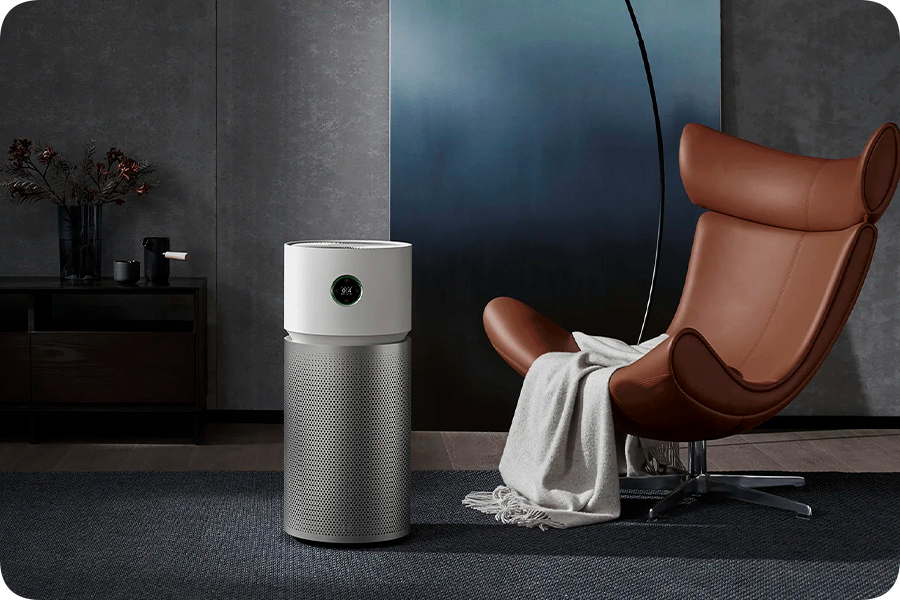
Why Do You Even Need an Air Purifier in the Bedroom?
You might think your home is a clean, safe haven. But here’s a startling fact from the U.S. Environmental Protection Agency (EPA): indoor air can be two to five times more polluted than the air outside. Scary, right? Your bedroom, a space you consider pristine, is often a collection point for a whole host of invisible intruders.
These unwelcome guests include:
- Allergens: Dust mites, which thrive in bedding and carpets, are a major trigger. Then there’s pet dander from your furry friends, pollen that drifts in through open windows, and mold spores.
- Volatile Organic Compounds (VOCs): This is a fancy term for chemicals that “off-gas” from everyday items. Think about the paint on your walls, the finish on your furniture, your mattress, and even cleaning products. These can cause everything from headaches to long-term health issues.
- Particulate Matter (PM2.5): These are microscopic particles from sources like cooking, candles, and outdoor pollution (like wildfire smoke) that find their way inside. They are small enough to get deep into your lungs and even your bloodstream.
- Odors: Lingering smells from pets, cooking, or just a stuffy room can disrupt the sense of calm you need for sleep.
An air purifier acts as a silent guardian, working through the night to capture these pollutants, so the air you breathe while you sleep is as clean and fresh as possible.
How Do Air Purifiers Work? Core Technologies Explained
When you start shopping, you’ll be hit with a barrage of technical terms. Let’s break down the core technologies that really matter. Think of a good air purifier as having a multi-stage defense system.
The Foundation: The True HEPA Filter
If an air purifier is a superhero, the True HEPA filter is its signature power. HEPA stands for High-Efficiency Particulate Air. A True HEPA filter is certified to capture 99.97% of airborne particles as small as 0.3 microns.
What does that even mean in the real world?
A human hair is about 50-70 microns wide. A HEPA filter is trapping things that are over 150 times smaller than that. This includes most dust, pollen, pet dander, and smoke particles.
Be careful with marketing terms like “HEPA-type” or “HEPA-like.” These are not the same and don’t meet the strict standard. For true peace of mind, always look for the True HEPA designation.
The Odor and Gas Specialist: The Activated Carbon Filter
While a HEPA filter is a master of capturing physical particles, it can’t do anything about gases, chemicals, and smells. That’s where the activated carbon filter comes in.
Imagine a sponge, but for odors. Activated carbon is treated with oxygen to open up millions of tiny pores between the carbon atoms. These pores create a massive surface area that traps gas molecules and VOCs through a process called adsorption. This is your best defense against cooking smells, pet odors, smoke, and harmful chemicals from furniture and paint.
As Dr. Eleanor Vance, an Indoor Air Quality (IAQ) specialist, often reminds her clients, “A HEPA filter is your first line of defense against microscopic particles, but don’t underestimate the power of activated carbon for gaseous pollutants and odors. A combination of both is essential for truly comprehensive air purification.”
The Controversial Add-On: UV-C Light
Some purifiers include a UV-C light, marketed to kill germs, viruses, and bacteria. While the technology is sound in principle (hospitals use it for sterilization), its effectiveness in a small, consumer-grade air purifier is debated. For viruses and bacteria to be neutralized, they need sufficient exposure time to the UV light. In a purifier where air is moving quickly, they might not be in the light’s path long enough to be destroyed. It’s a “nice-to-have” for some, but your primary focus should be on the quality of the HEPA and carbon filters.
Key Metrics to Understand When Choosing a Quietest Air Purifier for Bedroom
Okay, you know the tech. Now, how do you compare different models? There are three critical numbers you need to pay attention to, especially when silence is your goal.
What is CADR in an air purifier?
CADR stands for Clean Air Delivery Rate. It’s a standard developed by the Association of Home Appliance Manufacturers (AHAM) that measures how quickly and effectively an air purifier can clean a room of a specific size. It’s measured in cubic feet per minute (CFM). A higher CADR means faster cleaning. You’ll see three numbers for CADR: one for dust, one for pollen, and one for smoke.
As a rule of thumb, you want the CADR to be at least two-thirds of your room’s square footage. For example, for a 150 sq. ft. bedroom, you’d look for a purifier with a CADR of at least 100 for smoke (which has the smallest particles).
What is ACH and why does it matter?
ACH means Air Changes per Hour. This tells you how many times the purifier can completely filter all the air in a given room in one hour. For a bedroom, especially if you have allergies or asthma, you should aim for 4-5 ACH. This ensures the air stays consistently clean throughout the night, removing allergens as they appear.
The Most Important Number: Noise Level (Decibels, dB)
This is the make-or-break metric for finding the quietest air purifier for bedroom sleep. Noise is measured in decibels (dB). For context:
| Sound Level (dB) | Comparable To |
|---|---|
| 20-25 dB | A gentle whisper, rustling leaves |
| 30-40 dB | A quiet library |
| 50-60 dB | A normal conversation |
| 70 dB+ | A vacuum cleaner |
Most manufacturers list the noise level for the lowest and highest fan speeds. For bedroom use, you should focus on the noise level of the lowest setting. This is the speed it will likely be running at all night. A truly quiet air purifier will operate at around 20-25 dB on its sleep mode or lowest setting. Anything under 30 dB is generally considered whisper-quiet.
Bảng trống.Features That Make a Real Difference for Bedroom Use
Beyond the core specs, certain features are designed specifically to enhance the user experience in a sleeping environment.
Smart Sensors and Auto Mode
This is a game-changer. An air purifier with an air quality sensor can detect the level of pollutants in the air in real-time. In Auto Mode, it will automatically adjust its fan speed based on these readings. When the air is clean, it will run on its lowest, quietest setting. If you kick up some dust or pollen enters the room, it will ramp up to clean the air quickly and then ramp back down. This is the perfect “set it and forget it” feature, ensuring clean air and quiet operation without you having to touch it.
Dedicated Sleep Mode
Many of the best models have a dedicated Sleep Mode. When activated, this feature does two things:
- It switches the fan to its absolute quietest setting.
- It dims or completely turns off all the display lights on the unit, so your dark room stays dark.
Filter Life Indicator and Replacement Costs
An air purifier is only as good as its filters. A filter life indicator is an essential feature that tells you when it’s time to replace them. Before you buy, do a quick search for the cost of replacement filters. This is an ongoing operational cost, and you don’t want any surprises down the road. A purifier with a cheap upfront cost but exorbitant filter prices isn’t a good deal in the long run.
Health Benefits of Using a Bedroom Air Purifier
Investing in the right air purifier is an investment in your health. The benefits go far beyond just “clean air.”
- Deeper, More Restful Sleep: By removing airborne irritants that can cause coughing, sneezing, and congestion, you’re less likely to wake up during the night. Some people also find the gentle, consistent hum of a quiet purifier acts as a form of “white noise,” which can help mask other disruptive sounds.
- Relief from Allergy and Asthma Symptoms: This is a big one. By constantly removing triggers like dust mites, pet dander, and pollen from your sleeping environment, you can wake up feeling refreshed and clear-headed instead of congested and groggy.
- A Healthier Environment: Continuously filtering out VOCs, bacteria, and viruses creates a healthier space, potentially reducing your chances of getting sick.
Maintenance and Filter Replacement Tips for Optimal Performance
To keep your air purifier running efficiently and quietly, a little bit of maintenance goes a long way.
- Check the Pre-Filter: Most units have a washable pre-filter that catches larger particles like hair and dust bunnies. Check this every 2-4 weeks and gently vacuum it or rinse it with water (make sure it’s completely dry before putting it back). A clogged pre-filter makes the machine work harder and louder.
- Follow Replacement Schedules: Your HEPA and activated carbon filters are not meant to be washed. Pay attention to the filter life indicator or the manufacturer’s recommendation (typically 6-12 months for HEPA and 3-6 months for carbon).
- Placement Matters: For best results, place your air purifier in a spot with good airflow, at least a few feet away from walls and furniture. This allows it to draw in and circulate air effectively.
Frequently Asked Questions (FAQ)
How quiet should a bedroom air purifier be?
For optimal sleep, the quietest air purifier for bedroom use should operate at or below 30 decibels (dB) on its lowest setting. The best models can even go as low as 20-24 dB, which is comparable to the sound of rustling leaves or a very soft whisper.
Can I run my air purifier all night long?
Absolutely! In fact, you should. Air purifiers are designed for continuous operation. Pollutants and allergens are constantly present, so running it 24/7, especially while you sleep, ensures the air in your bedroom remains clean. Most modern units are also Energy Star certified, so they consume very little electricity.
Where is the best place to put an air purifier in my bedroom?
The ideal location is a few feet away from walls or large pieces of furniture to allow for 360-degree air intake and circulation. Many people place it near a doorway or window to catch pollutants as they enter, or closer to the bed to maximize the clean air you breathe while sleeping.
Do air purifiers create helpful white noise?
Yes, many people find that the gentle, consistent hum of an air purifier on its low setting acts as a soothing white noise machine. It can help drown out more jarring noises like traffic, sirens, or a snoring partner, which can actually improve sleep quality for some individuals.
How often should I change the filter in my quietest air purifier for bedroom?
This depends on the model and your home’s air quality. Generally, a True HEPA filter will need to be replaced every 6 to 12 months. An activated carbon filter, which absorbs odors and gases, may need to be replaced more frequently, around every 3 to 6 months. Always follow the manufacturer’s guidelines and pay attention to the filter replacement indicator light.
Your Sanctuary Awaits
Choosing an air purifier for your bedroom is about striking the perfect balance between powerful filtration and peaceful operation. It’s about finding a device that works tirelessly in the background without ever reminding you it’s there. By understanding the core technologies like True HEPA and activated carbon, and by focusing on the key metrics of CADR, ACH, and especially the decibel level, you can make an informed choice.
Don’t settle for a noisy machine that disrupts your rest. Your journey to cleaner air and deeper, more restorative sleep starts now. A truly quietest air purifier for bedroom isn’t just an appliance; it’s a vital component of a healthy home and a well-rested life.