The best air purifier for your home in 2025 will feature a True HEPA filter, a substantial activated carbon filter, and a Clean Air Delivery Rate (CADR) appropriate for your room size, ideally providing 4-5 air changes per hour (ACH). These features ensure effective removal of airborne particles like dust, pollen, and pet dander, as well as gaseous pollutants and odors, significantly improving indoor air quality.
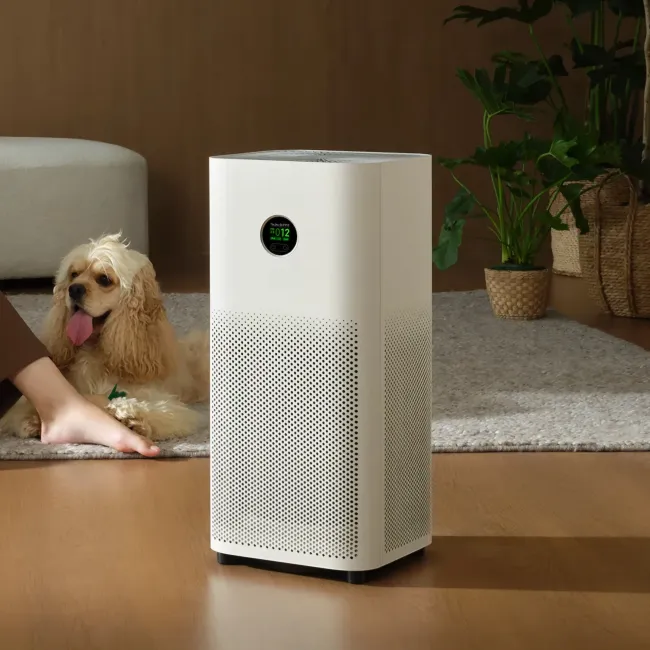
Why You Absolutely Need an Air Purifier
It’s a common misconception that the air inside our homes is cleaner than the air outside. Unfortunately, the opposite is often true. According to the U.S. Environmental Protection Agency (EPA), indoor air can be two to five times more polluted than outdoor air. So, what are we up against? For complete air purifiers library on this site.
- Allergens: Pollen, dust mites, and pet dander are common allergens that trigger symptoms for many individuals.
- Volatile Organic Compounds (VOCs): These gases are released from everyday items like paint, cleaning supplies, and furniture, potentially causing headaches and long-term health issues.
- Smoke and Odors: Particles and gases from wildfire smoke, cooking, or other sources can linger for days.
- Mold Spores and Bacteria: In humid environments, these microscopic intruders can thrive, potentially triggering respiratory issues.
An air purifier acts as your home’s personal bodyguard, actively trapping these unwanted guests before they end up in your lungs.
How Do Air Purifiers Actually Work? A No-Nonsense Guide
Think of an air purifier like a high-tech strainer for the air. It pulls in the air from your room, forces it through a series of filters, and releases clean, fresh air back out. But not all filters are created equal. Let’s break down the core technologies you’ll encounter.
The Gold Standard: True HEPA Filters
You’ll see the term HEPA everywhere, but it’s crucial to look for True HEPA. This isn’t just a marketing buzzword; it’s a standard. A True HEPA filter is certified to capture 99.97% of airborne particles as small as 0.3 microns.
How small is that? A human hair is about 50-70 microns thick. A HEPA filter is catching things you absolutely cannot see—like dust mite allergens, pollen, mold spores, and most bacteria. It’s your first and most powerful line of defense against particulate pollution.
The Odor Buster: Activated Carbon Filters
Ever notice how a HEPA filter doesn’t do much for smells? That’s because odors, VOCs, and smoke are gases, not solid particles. They’re so tiny they’d fly right through a HEPA filter. That’s where activated carbon comes in.
Imagine a sponge with millions of microscopic pores. That’s essentially what an activated carbon filter is. It uses a process called adsorption (not absorption) to trap gas and odor molecules.
As Dr. Eleanor Vance, an Indoor Air Quality (IAQ) specialist, often reminds her clients, “A HEPA filter is your non-negotiable for particles, but don’t underestimate the power of activated carbon. It’s the only thing that will effectively tackle the gaseous pollutants and odors that make a home feel stuffy or unclean.”
For the best air purifier 2025, you’ll want a unit with a substantial carbon filter, not just a thin, dust-coated sheet.
The Controversial Extra: UV-C Light
Bảng trống.Some purifiers include a UV-C lamp, marketed to kill germs, viruses, and bacteria. In theory, it works. In practice, it’s a bit more complicated. For UV-C light to be effective, the microbe needs to be exposed to the light for a specific amount of time. In many fast-moving air purifiers, the “dwell time” is too short to be truly effective. Furthermore, some lower-quality UV-C systems can produce ozone, an irritant you definitely don’t want in your home. My advice? Focus on excellent HEPA and carbon filtration first; consider UV-C a bonus, not a primary feature.
The Numbers Game: Key Metrics for Choosing the Best Air Purifier
Okay, let’s get into the nitty-gritty. When you’re comparing models, you’ll be hit with a bunch of acronyms. Don’t sweat it. There are only a few you really need to understand to make a smart choice.
What is CADR and Why Does it Matter?
CADR stands for Clean Air Delivery Rate. It’s a standardized metric that tells you how much clean air a purifier can produce at its highest fan speed. In simple terms, a higher CADR means the unit cleans your air faster.
You’ll usually see three CADR numbers: one for dust, one for pollen, and one for smoke. They’re often similar, so you can just look at the general range. A good rule of thumb is to choose a purifier where the smoke CADR rating is at least two-thirds of your room’s square footage. For example, for a 300 sq. ft. room, you’d want a purifier with a CADR of at least 200.
Understanding ACH: How Often is Your Air Cleaned?
ACH stands for Air Changes per Hour. This tells you how many times the purifier can clean the entire volume of air in a specified room in one hour.
- 2 ACH: A basic level of cleaning.
- 4-5 ACH: The sweet spot recommended by experts, especially for those with allergies or asthma. This means the air in your room is getting a full scrub-down every 12-15 minutes.
When a manufacturer lists a room size coverage, pay attention to the ACH they use to calculate it. Some brands advertise a huge room size but base it on a measly 1 or 2 ACH. For real-world effectiveness, you want 4+ ACH.
The Most Common Mistake: Getting the Room Size Wrong
This is the number one pitfall I see. People buy an undersized purifier for a large living room and then wonder why their allergies aren’t better. The manufacturer’s suggested room size is often optimistic.
David Chen, an experienced HVAC engineer, puts it best: “Always buy an air purifier rated for a larger space than you have. This allows you to run it on a lower, quieter fan speed while still achieving excellent air changes. An oversized purifier running on low is far more effective and pleasant to live with than an undersized one screaming on high.”
Beyond the Basics: Features That Actually Make a Difference
Once you’ve nailed down the core technology (HEPA + Carbon) and the performance metrics (CADR/ACH), you can look at the convenience features.
- Smart Sensors & Auto Mode: This is a game-changer. An air quality sensor detects the level of pollutants in your air and automatically adjusts the fan speed. When you start cooking or the dog runs through, the purifier kicks into high gear. When the air is clean, it quiets down. This is the “set it and forget it” feature you want.
- Noise Levels: Measured in decibels (dB). Look for a unit that’s whisper-quiet on its lowest setting (around 25-30 dB, like a soft whisper) so you can sleep with it on. The max noise level is less important, as you’ll hopefully only need it for short bursts.
- Filter Life & Cost: Filters don’t last forever. Check the manufacturer’s recommended replacement schedule (usually 6-12 months for HEPA, 3-6 months for carbon) and the cost of replacement filters. This is the ongoing cost of ownership.
- Wi-Fi Connectivity & App Control: A nice-to-have feature that lets you control your purifier from your phone, set schedules, and monitor your air quality history.
The Real Payoff: Health Benefits of Clean Air
Why go through all this trouble? Because the benefits are tangible and can genuinely improve your quality of life.
- Serious Allergy and Asthma Relief: By constantly removing triggers like pollen, dander, and dust from the air, a purifier can significantly reduce symptoms.
- A Fresher, Cleaner-Smelling Home: No more lingering cooking odors, pet smells, or general stuffiness.
- Removal of Harmful Pollutants: Capturing smoke particles and VOCs reduces your exposure to harmful chemicals.
- Better Sleep: Breathing clean air can lead to less nighttime congestion and irritation, resulting in a more restful sleep.
Don’t Neglect Your Machine: Maintenance and Filter Tips
Your air purifier is only as good as its filters. A clogged filter can’t do its job and can even restrict airflow, making the unit less effective.
- Check the Pre-Filter: Most units have a washable pre-filter that catches large particles like hair and dust bunnies. Clean this every 2-4 weeks. It’s the easiest way to extend the life of your more expensive main filters.
- Follow Replacement Schedules: Don’t try to stretch the life of your HEPA and carbon filters. Many purifiers have a filter-change indicator light. When it comes on, order new ones.
- Vacuum the Vents: Every month or so, give the exterior intake and outtake vents a quick vacuum to keep everything running smoothly.
Frequently Asked Questions (FAQ)
Q1: How often should I change the filter in my best air purifier 2025?
A: This depends on the model and your home’s air quality, but a general guideline is every 6-12 months for the main HEPA filter and every 3-6 months for the activated carbon filter. Always check the manufacturer’s recommendation.
Q2: Should I run my air purifier 24/7?
A: Yes, absolutely. Air pollution is a constant issue, so your purifier should be running constantly to maintain clean air. Using Auto Mode is a great energy-efficient way to do this, as the fan will only speed up when needed.
Q3: Where is the best place to put my air purifier?
A: Place it in the room where you spend the most time, like your bedroom or living room. Don’t shove it in a corner or behind furniture. It needs at least a foot of open space on all sides to circulate air effectively.
Q4: Do air purifiers produce harmful ozone?
A: Purifiers that rely solely on HEPA and carbon filtration do not produce ozone. Some units with ionizers or UV-C lights can produce trace amounts. To be safe, look for models that are certified by the California Air Resources Board (CARB), which has strict ozone emission standards.
Q5: Can an air purifier help with dust?
A: Yes, immensely. An air purifier with a True HEPA filter is one of the most effective tools for capturing and removing airborne dust particles, which can significantly reduce the amount of dust that settles on your surfaces.
Choosing an air purifier is an investment in your health. By focusing on the core principles—a True HEPA filter for particles, a substantial carbon filter for odors, and the right size (CADR) for your room—you can cut through the noise and find a machine that makes a real difference. Your lungs will thank you. Now you have the knowledge to select the best air purifier 2025 and start your journey to a healthier, cleaner home today.
Frequently Asked Questions
How often should I change the filters in my air purifier?
Filter replacement schedules vary by model and usage, but generally, the main HEPA filter should be changed every 6-12 months, and the activated carbon filter every 3-6 months. Always consult your manufacturer's specific recommendations for optimal performance.
Is it necessary to run an air purifier continuously?
Yes, it is highly recommended to run your air purifier 24/7 to maintain consistent indoor air quality. Many modern purifiers offer an Auto Mode, which efficiently adjusts fan speed based on detected pollutant levels, saving energy while ensuring continuous clean air.
What is the ideal placement for an air purifier in a room?
For maximum effectiveness, place your air purifier in the room where you spend the most time, such as a bedroom or living room. Ensure it has at least one foot of open space on all sides to allow for proper air circulation and efficient filtration.
Do all air purifiers release harmful ozone into the air?
No, air purifiers relying solely on True HEPA and activated carbon filtration do not produce ozone. Some units with ionizers or UV-C lights might produce trace amounts. To ensure safety, look for models certified by the California Air Resources Board (CARB), which enforces strict ozone emission standards.
Can an air purifier effectively reduce dust in my home?
Yes, an air purifier equipped with a True HEPA filter is exceptionally effective at capturing and removing airborne dust particles. Regular use can significantly decrease the amount of dust that settles on surfaces, improving overall cleanliness and air quality.
Get our weekly buyer guide
Practical specs, not advice. Unsubscribe anytime.
I finally caved and bought an air purifier after reading about the high levels of indoor air pollution. This one has a True HEPA filter and I can honestly say I’ve noticed a huge difference. My allergies have been so much better, especially with all the pollen this spring. It’s really quiet too, which is a big plus for the bedroom.
I got the model with the activated carbon filter specifically for pet odors, and it works wonders! My house used to have that ‘dog smell’ but now it’s practically gone. The only reason it’s not 5 stars is that the replacement filters are a bit pricey, but for the air quality improvement, it’s worth it.
I was really hoping this would help with the dust in my apartment, and while it does seem to catch some, I still have to dust pretty frequently. I made sure to get one with a good CADR for my room size, but maybe my expectations were too high. It’s not bad, just not the miracle worker I hoped for.
As someone with sensitive skin and asthma, indoor air quality is super important to me. This purifier has been a game-changer for reducing airborne particles like dust mites. I feel like I’m breathing easier and my skin isn’t as irritated. Definitely recommend for anyone dealing with allergens.