There’s a certain peace that comes with a high-quality air purifier. It’s the gentle, reassuring hum in the background, a subtle reminder that the air you and your family are breathing is being scrubbed clean of dust, allergens, and other invisible nasties. When your air purifier is making a loud noise, it typically indicates a clogged filter, a foreign object obstructing the fan, unstable placement causing vibrations, or a failing fan motor. Most issues can be resolved with simple maintenance like cleaning or replacing filters, or by repositioning the unit.
Don’t panic. As the Air Purifier Guy, I’ve heard it all, from gentle whirs to sounds that could rival a lawnmower. The good news is that most of the time, the fix is surprisingly simple. Let’s walk through the common culprits together, turning that disruptive racket back into a peaceful hum. This guide will not only help you diagnose the problem but will also empower you with the knowledge to choose, use, and maintain your air purifier like a pro for years to come.
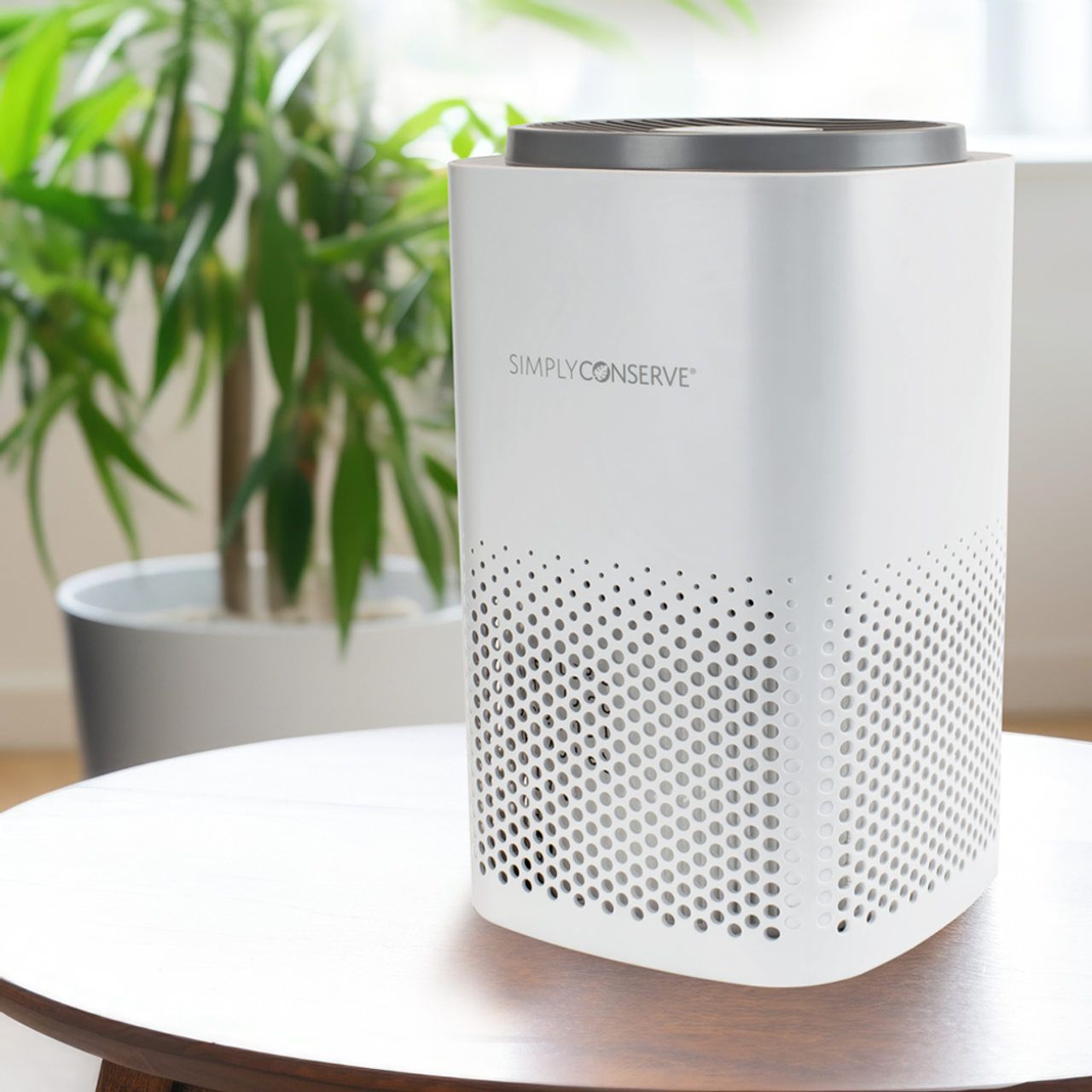
Why is My Air Purifier Making a Loud Noise? A Troubleshooting Guide
Before you start thinking about expensive repairs or replacements, let’s play detective. Grab a Phillips head screwdriver (just in case), and let’s investigate the most common causes of a noisy air purifier. Always remember to unplug your unit before performing any inspection or maintenance!
1. The Clogged Filter Culprit: The Most Common Cause
Imagine trying to breathe through a thick, dusty blanket. That’s essentially what your air purifier’s motor is doing when its filter is completely clogged. A dirty filter restricts airflow, forcing the fan to work much harder and much louder to pull air through.
- The Sound: A strained, whirring sound that’s significantly louder than usual, especially on higher settings.
- The Fix: This is usually an easy one.
- Unplug the unit. Safety first, always.
- Open the front or back panel to access the filter compartment.
- Carefully remove the filter(s). You’ll likely see a pre-filter (a thin mesh screen) and a main HEPA filter.
- Inspect them. Is the pre-filter caked in a grey layer of dust, pet hair, and lint? Is the HEPA filter dark grey or black instead of white? If so, you’ve found your likely suspect.
- Clean or Replace. If you have a washable pre-filter, rinse it gently with water and let it dry completely. The main HEPA and activated carbon filters are almost always disposable. Check your user manual and replace them with a new set.
“A clean filter is to an air purifier what clean lungs are to a runner,” notes Dr. Eleanor Vance, an Indoor Air Quality (IAQ) specialist. “Restricted airflow not only creates noise but dramatically reduces the unit’s effectiveness in capturing airborne particles.”
2. Something’s Stuck: The Foreign Object Rattle
Bảng trống.Sometimes, the problem is simpler than a clogged filter. Small objects can get sucked into the unit and end up rattling against the fan blades. This is especially common in homes with kids or pets.
- The Sound: A distinct clicking, ticking, or rattling sound. It might sound like a playing card stuck in a bicycle spoke.
- The Fix:
- Unplug the unit and remove the filter cover.
- Take out the filters to get a clear view of the fan intake area.
- Use a flashlight to peer inside. Do you see a stray piece of a toy, a large bit of debris, or a pet’s stray chew toy?
- Carefully remove the object. You might be able to shake it out or use a pair of tweezers or long-nosed pliers. Be gentle to avoid damaging the fan blades.
3. Unstable Ground: The Vibration Buzz
Your air purifier contains a motor and a fan that spin at high speeds. If the unit isn’t sitting on a flat, stable surface, the vibrations from the motor can cause the housing to buzz or rattle against the floor or a nearby wall.
- The Sound: A low, humming buzz or a rattling that changes or stops when you touch or move the unit.
- The Fix: This is the simplest fix of all. Ensure your air purifier is on a level, hard surface. Avoid thick carpets if possible, as they can both block air intake and contribute to instability. Move it a few inches away from walls or furniture.
4. The Fan Motor’s Cry for Help: Whining or Grinding
This is the one we hope it isn’t, but it happens. Over time, the bearings in the fan motor can wear out.
- The Sound: A high-pitched whining, a low grinding, or a squealing noise. This sound is persistent and often gets worse over time. It’s distinctly mechanical.
- The Fix: Unfortunately, this isn’t a simple DIY fix. A failing motor bearing typically requires a professional repair or, more often than not, a replacement of the unit, especially if it’s out of warranty. If your air purifier is making a loud noise of this nature, it’s time to contact the manufacturer’s customer support.
Normal vs. Abnormal Noise: Understanding Decibels (dB)
It’s crucial to distinguish between a problematic noise and the normal operational sound of a powerful machine. Air purifiers are rated in decibels (dB).
- Low Setting (20-35 dB): This is whisper-quiet, perfect for sleeping.
- Medium Setting (35-50 dB): This is audible but should sound like a gentle fan or the hum of a refrigerator.
- High/Turbo Setting (50-70+ dB): This will be loud. It’s designed for quickly cleaning a room’s air and will sound like a large box fan or a range hood.
If your unit is only loud on the highest setting, that’s likely normal. The problem we are troubleshooting is when the low setting starts sounding like the medium setting, or when new, unusual sounds like rattling or grinding appear.
How Do Air Purifiers Work Anyway? Core Technologies Explained
Understanding what’s happening inside the box can help you appreciate why maintenance is so key to keeping it quiet. Most quality air purifiers use a multi-stage filtration system.
The Mighty HEPA Filter
The star of the show is the HEPA (High-Efficiency Particulate Air) filter. Think of it as an incredibly fine, dense net made of pleated fibers. It’s a mechanical filter, meaning it physically traps particles as air is forced through it. A True HEPA filter is certified to capture 99.97% of particles as small as 0.3 microns. That includes:
- Dust mites
- Pollen
- Pet dander
- Mold spores
- Some bacteria and viruses
When this “net” gets full, air can’t pass through easily, leading to the strained motor noise we discussed earlier.
The Odor-Busting Activated Carbon
The second key player is the activated carbon filter. If a HEPA filter is a net, an activated carbon filter is like a giant sponge with millions of tiny, porous holes. It works through a process called adsorption (not absorption) to trap gas molecules and odors. This is what tackles:
- Volatile Organic Compounds (VOCs) from paint, furniture, and cleaning supplies
- Cooking smells
- Pet odors
- Smoke
The Optional UV-C Light
Some units include a UV-C light stage. This is designed to neutralize germs, viruses, and mold spores that are trapped by the filters, essentially sterilizing them. It’s an added layer of defense, though its effectiveness can vary greatly depending on the bulb’s intensity and the air’s exposure time.
Key Metrics to Understand When Buying an Air Purifier
If your old unit is beyond repair, or if you’re in the market for a new one, don’t just look at the price tag. Understanding these three metrics will ensure you get a quiet, effective machine for your needs.
What is CADR in an air purifier?
CADR stands for Clean Air Delivery Rate. It’s a standardized rating by the Association of Home Appliance Manufacturers (AHAM) that measures how quickly the purifier cleans a specific room of three common pollutants: dust, pollen, and smoke. A higher CADR means faster air cleaning.
Why is ACH Important?
ACH stands for Air Changes per Hour. This tells you how many times the purifier can completely filter all the air in a stated room size in one hour. For allergy or asthma sufferers, an ACH of 4-5 is recommended, meaning the air is fully cleaned every 12-15 minutes.
The Crucial Role of Room Size
Always match the purifier’s recommended room size to your own. Using a small unit in a large master bedroom is like trying to empty a swimming pool with a teacup. It will constantly run on its highest (and loudest) setting and still fail to clean the air effectively, leading to premature wear and tear.
Maintenance Tips to Keep Your Machine Quiet and Effective
An air purifier is not a “set it and forget it” appliance. Regular maintenance is the single best way to ensure it runs efficiently, effectively, and quietly for its entire lifespan.
As HVAC engineer David Chen often says, “Neglecting your air purifier’s filter is like never changing the oil in your car. Sure, it’ll run for a while, but you’re guaranteeing a loud, inefficient, and short life for the machine.”
Here’s your simple maintenance checklist:
- Check the Pre-Filter Every 2-4 Weeks: This is your first line of defense. If it’s washable, rinse it. If it’s a disposable carbon sheet, replace it. This protects the more expensive HEPA filter.
- Replace the HEPA Filter as Recommended: This is typically every 6-12 months, depending on your home’s air quality and the manufacturer’s guidelines. Many modern units have a filter change indicator light to remind you.
- Replace the Activated Carbon Filter: These also have a limited lifespan, usually 3-6 months, as their pores get filled with odor and gas molecules.
- Wipe Down the Unit: Every month, unplug the unit and wipe down the exterior and the air intake/outlet grilles with a dry or slightly damp cloth to prevent dust buildup.
Frequently Asked Questions (FAQ)
Q1: Why did my air purifier suddenly get so loud?
The most common reason for a sudden increase in noise is a severely clogged filter. This forces the fan motor to work much harder to pull air through. Check and replace your filters as a first step.
Q2: Is it normal for my air purifier to be loud on the highest setting?
Yes, absolutely. The highest or “turbo” setting is designed for maximum air cleaning power, which requires the fan to spin at its top speed. This will inevitably create significant fan noise, similar to a large box fan. The concern arises when lower, “quiet” settings become noisy.
Q3: Can I clean and reuse my HEPA filter?
No, you should never wash or vacuum a True HEPA filter unless the manufacturer explicitly states it is a “permanent” or “washable” HEPA-type filter (which are generally less effective). Washing a standard HEPA filter will damage its delicate fiber mesh and destroy its ability to capture microscopic particles.
Q4: How can I make my air purifier quieter?
The best way to ensure quiet operation is through regular maintenance, especially cleaning the pre-filter and replacing the main filters on time. Additionally, you can run the unit on a lower setting or use an “Auto Mode,” which adjusts fan speed based on air quality, only ramping up when necessary.
Q5: My filters are clean, but the air purifier is making a loud noise like a rattle. What’s wrong?
If the filters are clean, a rattling noise is likely caused by a foreign object (like a small toy part or piece of debris) that has been sucked into the unit and is hitting the fan blades. Unplug the unit, remove the filters, and inspect the fan area with a flashlight.
Your Path to a Quieter, Healthier Home
That disruptive sound from your air purifier is a call to action. It’s your machine telling you it needs attention. By following these troubleshooting steps, you can likely solve the problem of an air purifier making a loud noise in just a few minutes, restoring peace and quiet to your home.
More importantly, by understanding how these incredible devices work—from the power of a HEPA filter to the meaning of CADR—you’ve empowered yourself. You’re no longer just a user; you’re a knowledgeable guardian of your home’s air quality. A well-maintained air purifier is one of the best investments you can make in your family’s health and well-being. So, let’s get that filter changed and start your journey to cleaner, quieter air today.
Fix a Noisy Air Purifier
Troubleshoot and resolve common issues causing your air purifier to make loud noises, from clogged filters to foreign objects.
Unplug your air purifier and open the filter compartment. Inspect the pre-filter for dust and pet hair, rinsing it if washable, and check the HEPA filter for discoloration. Replace disposable HEPA and activated carbon filters according to your unit's manual, typically every 6-12 months for HEPA and 3-6 months for carbon.
After unplugging and removing filters, use a flashlight to look into the fan intake area for any small objects like toys or debris. Carefully remove any obstructions with tweezers or long-nosed pliers, being gentle to avoid damaging the fan blades. This often resolves clicking or rattling sounds.
Verify that your air purifier is placed on a flat, stable, hard surface. Vibrations from the motor can cause buzzing or rattling if the unit is on an uneven surface or too close to walls or furniture. Moving it a few inches away from walls and avoiding thick carpets can significantly reduce noise.
If the noise is a persistent high-pitched whining, low grinding, or squealing, and filters are clean and placement is stable, the fan motor bearings may be failing. This typically requires professional repair or unit replacement, especially if out of warranty. Contact the manufacturer's customer support for assistance.
Get our weekly buyer guide
Practical specs, not advice. Unsubscribe anytime.
I’ve had my air purifier for years and it’s always been super reliable. When it started making a disruptive racket, I immediately thought of the filters. Replacing the old, dirty filter with a new one completely solved the problem. It’s amazing how much difference simple maintenance like that can make. My air feels fresh again, and the noise is gone!
I was so frustrated when my usually quiet air purifier started sounding like a small jet engine. I thought for sure I’d have to buy a new one. Following the advice here about checking for a clogged filter was a lifesaver! Turns out, it was just packed with dust. A quick clean and it’s back to its gentle hum. So glad I didn’t rush out to buy a replacement.
This was really helpful! My unit started making a really loud noise out of nowhere, and I was worried it was broken. I followed the suggestion to check the placement and sure enough, it was vibrating against my hardwood floor. Putting a small mat underneath it made a huge difference. It’s much quieter now, almost back to that peaceful hum.
My air purifier has been making a weird rattling sound lately, and I was hoping to find a quick fix. I checked for foreign objects near the fan, but didn’t find anything obvious. Repositioning it helped a little with the vibrations, but it’s still not as quiet as it used to be. I guess I might have a failing fan motor, which is a bummer.